








Popular searches:
EB-S1
S90
MNK6
EB-S1E
Questions B2B Buyers Can Ask LUYUAN Before Choosing a Supplier


Aug 26,2026
Choosing a supplier for electric two-wheelers involves more than comparing unit prices. For distributors, importers, fleet operators, and mobility businesses, the supplier must support consistent product quality, regulatory requirements, delivery planning, and long-term market development. A structured electric scooter supplier discussion can reveal whether a manufacturer is equipped for the commercial relationship you need.

What product categories and market applications do you support?
Start by asking what the supplier can actually provide. A broad product portfolio can be valuable when a buyer needs different models for commuting, delivery, leisure, or other local applications.
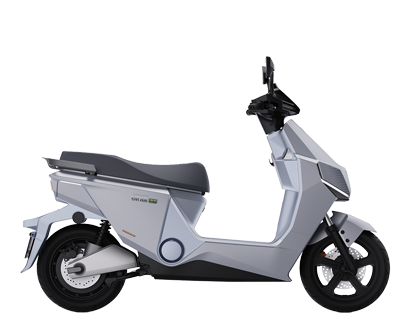
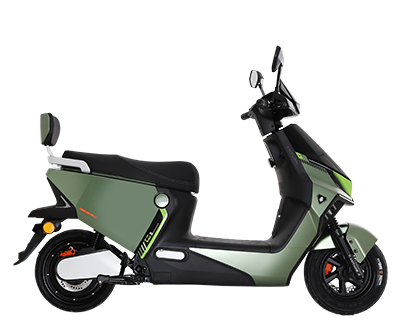
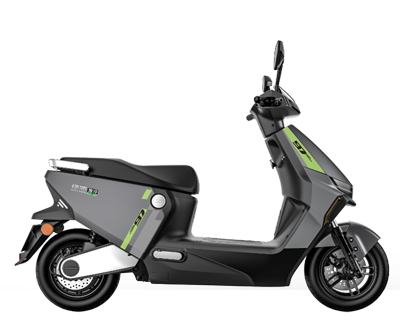
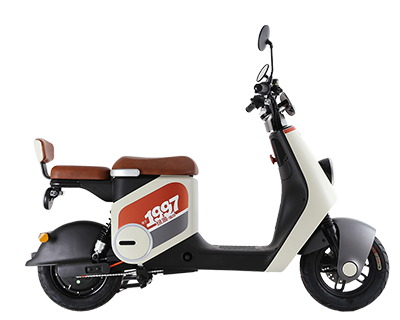
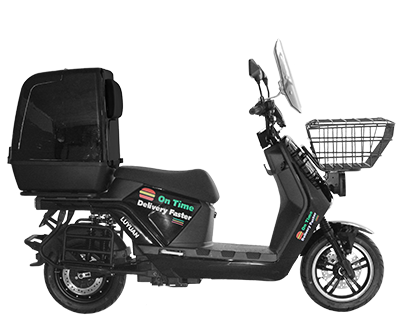
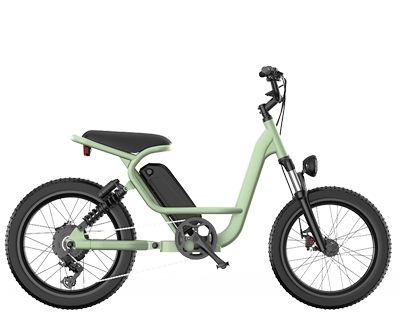
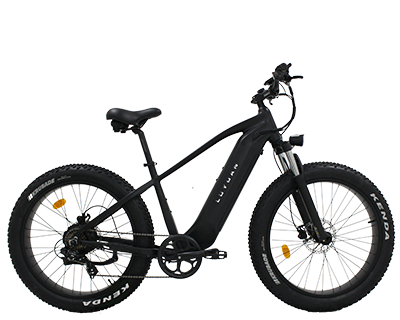
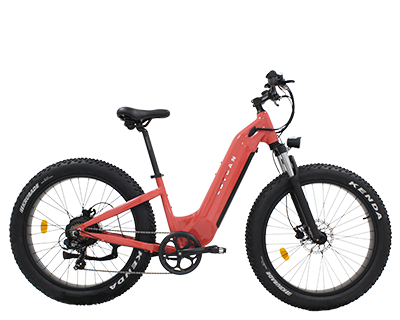
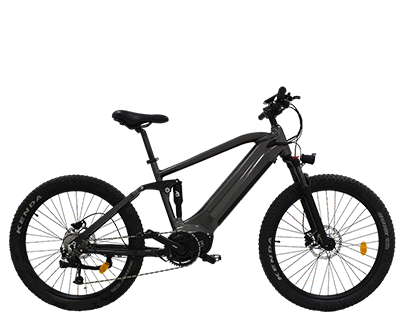
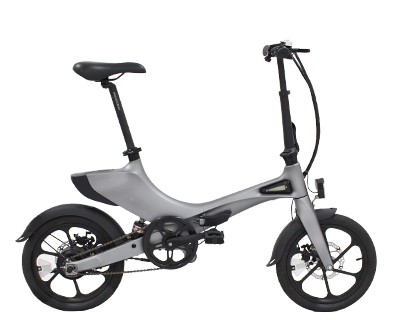
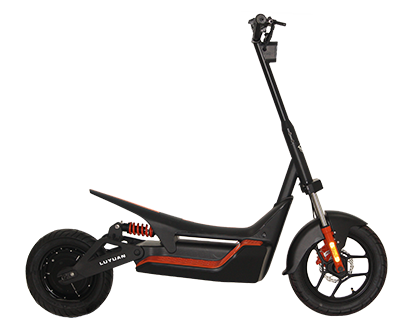
The current LUYUAN product portfolio includes electric scooters, electric bikes, and electric kick scooters. Our electric scooter range covers performance, standard, and delivery-oriented products, while the wider portfolio includes urban, suburb, and folding electric bikes. The product page also allows buyers to filter models by usage scenario and certification, including EEC, CE, DOT, EN15194, EN17128, and EN17860.
For a B2B buyer, this matters because product breadth can make it easier to build a market-specific lineup instead of sourcing every vehicle category from a different factory.
Can you support OEM or ODM cooperation?
A buyer considering private-label sales should ask exactly how customization works. Do not assume that every factory offering wholesale vehicles can also develop products around a customer's brand, market requirements, or specifications.
Our cooperation model includes ODM and ODM/OEM options. Buyers should clarify which models are available for OEM, what can be customized, how product development is managed, and which responsibilities remain with the supplier or buyer.
The discussion should also cover branding, packaging, documentation, sample approval, production validation, and market-specific requirements. These details help prevent misunderstandings after an initial quotation.
What manufacturing capacity and quality controls are available?
Production capacity should be evaluated together with manufacturing control. A supplier may quote an attractive price, but inconsistent production can create warranty claims, delayed deliveries, and reputational risk for distributors.
We report a CNAS-accredited laboratory with inspection capabilities covering major and individual electric two-wheeler test items, chassis real-road simulation, and lithium battery safety testing. For procurement teams, these details provide useful starting points for a supplier audit or factory evaluation.
How do you verify product specifications and performance?
B2B buyers should request complete technical documentation rather than relying only on sales descriptions. Ask for rated motor power, battery type and capacity, dimensions, braking configuration, tire specifications, charging information, range test conditions, and applicable certification documents for each proposed model.
This is especially important when several versions of one model exist. The official product comparison system lists multiple configurations across the portfolio, allowing buyers to distinguish between variants rather than treating a model name as a single fixed specification.
Before placing an order, procurement teams should also confirm which configuration is included in the quotation. A precise specification sheet can reduce disputes over samples, production units, and expected performance.
What experience do you have in international markets?
For importers and regional distributors, international experience can affect more than shipping. Buyers should ask whether the supplier has experience with the destination market, product certification, documentation, after-sales expectations, and local operating conditions.
These points do not replace market-specific due diligence. Instead, they give B2B buyers useful questions to ask about compliance, logistics, service support, and previous experience in comparable markets.
How will communication and after-sales support work?
A supplier relationship continues after the shipment arrives. Buyers should establish who handles technical questions, spare parts, warranty cases, product updates, and service escalation.
It is also useful to ask how communication works during product development and mass production. A clear contact structure can help distributors resolve issues faster and coordinate forecasts, orders, documentation, and quality feedback.
For businesses building a long-term electric mobility offering, after-sales support should be evaluated as part of the total supplier proposition rather than treated as a secondary issue.
What should buyers request before making a decision?
A practical procurement process should end with a documented comparison. Ask shortlisted electric scooter suppliers to provide product specifications, certifications relevant to the target market, cooperation terms, production and delivery information, warranty conditions, customization options, and samples where appropriate.
For buyers seeking an electric scooter OEM manufacturer, the same checklist should be expanded to include OEM/ODM capabilities, development procedures, branding requirements, minimum order expectations, and responsibilities for market compliance.
The goal is not simply to find the lowest quotation. It is to identify a supplier whose products, manufacturing system, cooperation model, and support capabilities fit the buyer's commercial plan.
A Better Supplier Conversation Starts With Better Questions
Selecting a B2B electric mobility supplier is a decision about future operations as much as today's purchase. Buyers should examine the product portfolio, manufacturing capabilities, quality systems, technical documentation, international experience, customization model, and service structure before signing a supply agreement.
With a broad two-wheeler portfolio, intelligent manufacturing infrastructure, and stated ODM/OEM cooperation options, LUYUAN provides a potential starting point for buyers evaluating long-term supply partnerships. Companies can use the questions above to organize their supplier assessment and determine whether the available products and cooperation model match their market requirements.
For procurement teams that already know their target market and product category, the next step is to share the required model, certification needs, target quantity, and customization expectations with the supplier. A detailed inquiry can make the following discussion more specific and help both sides assess whether a suitable cooperation opportunity exists.




Press: media@luyuan.cn
Telephone: +86-579-82272946
Business: market@luyuan.cn
Telephone: +86-579-82272528
Service: service@luyuangroup.com
Select your country or region
Global
Asia

中文