








Popular searches:
EB-S1
S90
MNK6
EB-S1E
LUYUAN Brand History: How a Chinese Electric Scooter Company Grew


Aug 25,2026
The story of LUYUAN China is closely connected with the development of electric two-wheelers in the country. What began as an electric vehicle project in the 1990s has developed into an international mobility business with manufacturing facilities, technology development, retail networks, and overseas partnerships.
For people researching a Chinese electric scooter company, understanding this journey provides more useful context than looking at individual products alone. A company's history can show how it responds to changing technology, customer expectations, and international markets.

From an Electric Vehicle Project to a Growing Brand
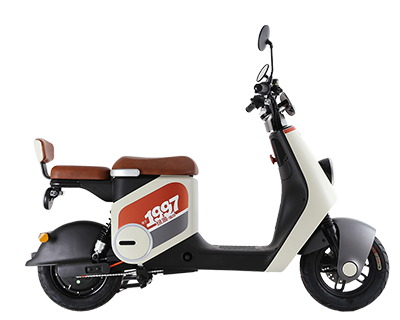
Our history dates back to 1996, when an electric vehicle project team was established. Our team completed our first electric vehicle after three months of design and modification work. The LUYUAN trademark was then registered in 1997.
Those early years were important because China's electric two-wheeler industry was still developing. Battery technology, motor systems, production processes, and consumer awareness were very different from today's market.
Starting early gave our company an opportunity to grow alongside the industry rather than entering an already mature international market.
Building Experience Through International Markets
International development became part of our company's story relatively early. We received our first foreign trade order in 1999, followed by our first overseas exhibition appearance at the Cologne Exhibition in Germany in 2002.
We subsequently entered markets including Japan and Indonesia. We also obtained EEC certification for multiple models in 2007, supporting our entry into the European market.
These milestones illustrate an important aspect of brand development. Overseas growth requires more than translating product information. Manufacturers also need to understand regulations, customer preferences, distribution systems, and different riding environments.
Manufacturing Became Part of the Growth Story
As demand increased, manufacturing capability became increasingly important. We introduced welding robots in 2008 to improve production processes for frames and metal components.
Today, we have four intelligent manufacturing bases and a planned annual production capacity of 10 million units. Our corporate information also identifies more than 14,000 retail stores across more than 80 countries and regions.
For a Chinese electric scooter company, manufacturing scale can support more consistent production and provide a foundation for serving different markets.
Technology Has Shaped the Product Journey
The development of electric two-wheelers is closely tied to technological progress. Over the years, manufacturers have had to improve motors, batteries, controllers, safety systems, and vehicle structures.
Today, our technology portfolio includes liquid-cooled motors, digital battery systems, driving control, and smart mobility functions. This reflects a broader shift from basic electric transportation toward increasingly integrated vehicles.
The S70 Pro Shows a New Stage of Development
The S70 Pro provides a useful example of how the product portfolio has evolved. Instead of simply emphasizing basic transportation, the model combines multiple systems designed around performance, control, and riding comfort.
Its highest listed S70 Pro-GT configuration uses a 76 V 27 Ah LFP battery and a 2,000 W rated liquid-cooled motor.
The model also includes an ergonomic comfort seat, oversized footboard, aluminum-cylinder hydraulic front suspension, spring hydraulic rear suspension, and front and rear disc brakes.
Rather than viewing the S70 Pro only as another scooter in the lineup, it can be seen as an example of how the industry has moved toward combining power systems, comfort, thermal management, and electronic control in one vehicle.
From Individual Products to a Broader Portfolio
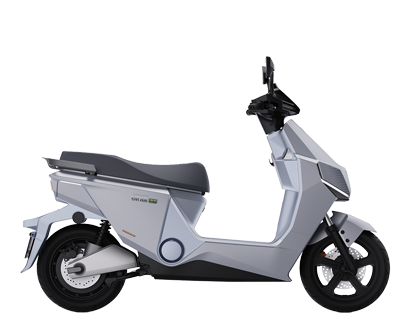
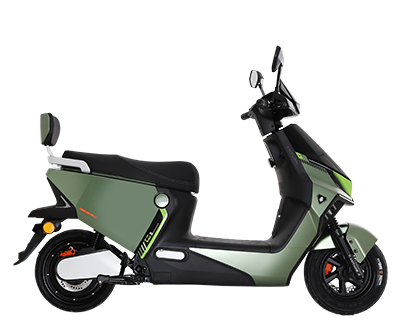
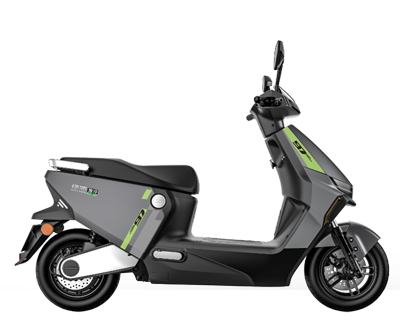
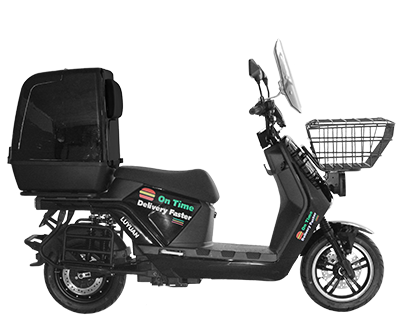
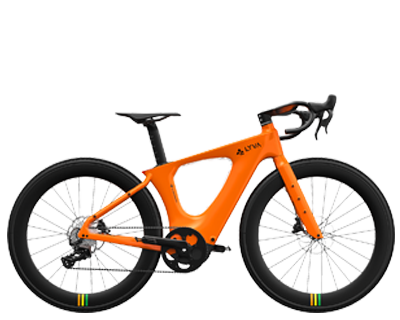
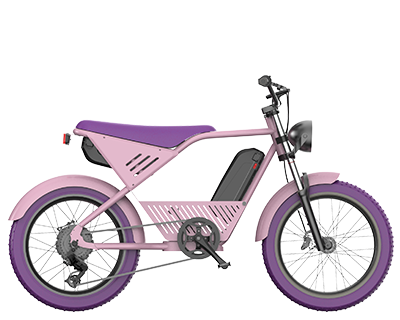
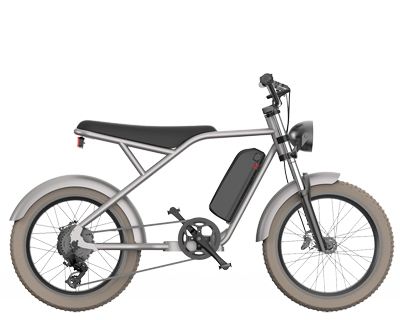
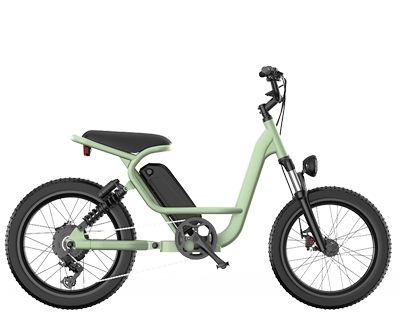
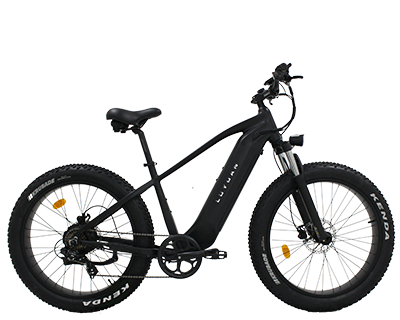
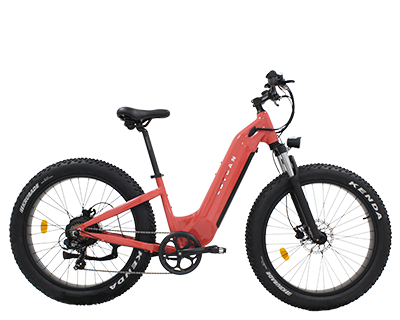
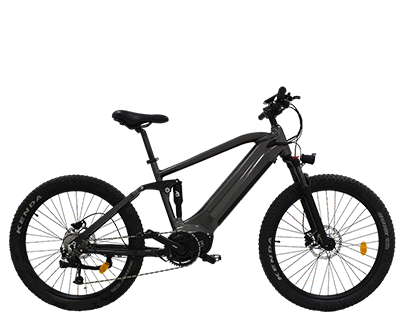
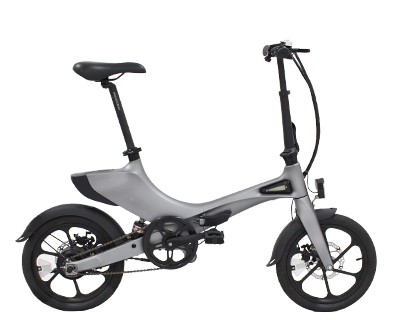
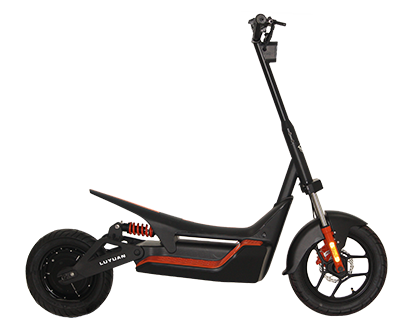
Our development is also reflected in the diversity of current product range. Our official portfolio includes Performance, Standard, and Delivery electric scooters, along with Urban, Suburb, and Folding electric bikes.
This wider portfolio allows electric mobility to address different daily situations. Commuters may prioritize practical transportation, commercial users may need delivery-focused vehicles, and other riders may prefer performance or leisure-oriented products.
For distributors, a broader product family can also make it easier to build a market-specific selection rather than relying on one vehicle category.
Adapting to Changing Customer Expectations
The electric two-wheeler market today is different from the market of the late 1990s. Riders increasingly consider range, comfort, smart functions, safety, design, and performance alongside basic transportation.
Our product development reflects this change. Current models include features such as intelligent control, GPS positioning, liquid-cooled motor technology, digital battery management, and advanced suspension on selected products.
This evolution is important for understanding how a long-established Chinese electric scooter company remains relevant. A history of many years is valuable only when a business continues adapting its products and technologies.
Building a Global Business Through Partnerships
International growth also depends on relationships with distributors and other business partners. In May 2026, we held a global partner conference alongside the China International Bicycle Fair, with more than 100 core dealers and ecosystem partners from nearly 20 countries and regions attending.
At the event, we introduced a strategy focused on moving from product export toward capability and ecosystem development. We also announced six global innovation centers.
This suggests that our international strategy is expanding beyond simply shipping finished vehicles overseas. Local cooperation, technology, services, and market development are becoming increasingly important parts of the global business model.
Why Brand History Matters to Buyers
A brand's history does not automatically determine whether a particular product is right for every customer. Buyers still need to compare specifications, prices, certifications, service arrangements, and market suitability.
However, history can provide useful context. A company that has operated through multiple stages of industry development may have accumulated experience in manufacturing, product engineering, regulatory requirements, and international distribution.
For customers and business partners researching LUYUAN China, the journey from a 1996 electric vehicle project to a global electric mobility business provides that broader perspective.
Looking Ahead
Our development reflects the wider evolution of electric two-wheelers. Early electric vehicles focused primarily on providing an alternative form of transportation. Today's products can incorporate more advanced batteries, motors, control systems, connectivity, and user-oriented design.
Our company's current direction also points toward intelligent mobility and broader technology development. We are expanding intelligent mobility technology into broader fields while developing an embodied robotics ecosystem.
The history of LUYUAN China is ultimately a story of gradual expansion: from an early electric vehicle project, to domestic brand development, overseas market entry, manufacturing investment, technology development, and a growing international ecosystem.
For anyone exploring a Chinese electric scooter company, this journey offers a useful way to understand the brand behind today's products. Its history provides context for its current portfolio and shows how long-term development, technology investment, manufacturing capabilities, and international cooperation can work together to shape an electric mobility business.




Press: media@luyuan.cn
Telephone: +86-579-82272946
Business: market@luyuan.cn
Telephone: +86-579-82272528
Service: service@luyuangroup.com
Select your country or region
Global
Asia

中文