








Popular searches:
EB-S1
S90
MNK6
EB-S1E
What International Buyers Ask a LUYUAN Electric Scooter Exporter


Aug 18,2026
For international businesses, purchasing electric scooters from China involves more than requesting a product catalog and a quotation. Importers and distributors need to understand product specifications, certifications, production capabilities, order processes, logistics, and after-sales arrangements before committing to a supplier.
These questions become especially important when selecting an electric scooter exporter for long-term cooperation. A reliable export partner should be able to provide clear information at each stage, helping buyers understand what they are purchasing and how the products will reach their target market.

What Products Are Available?
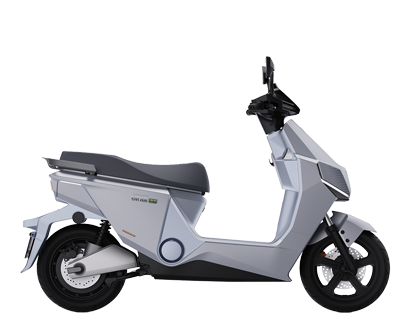
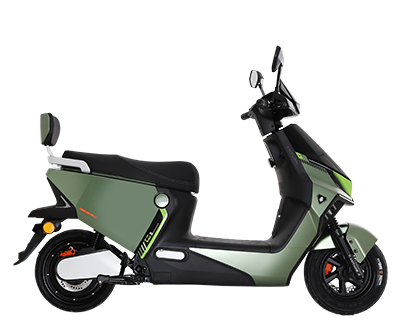
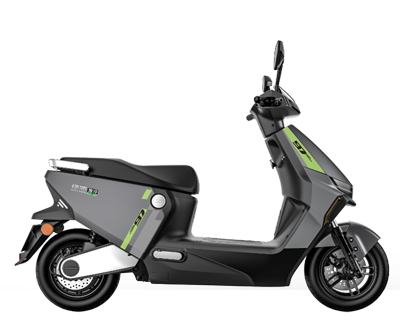
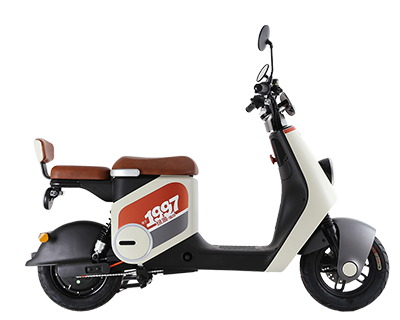
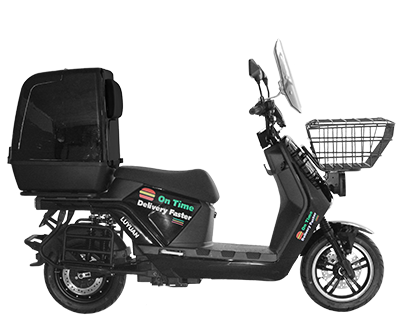
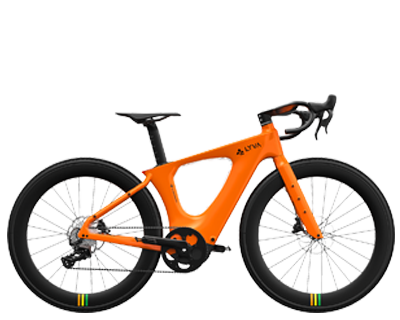
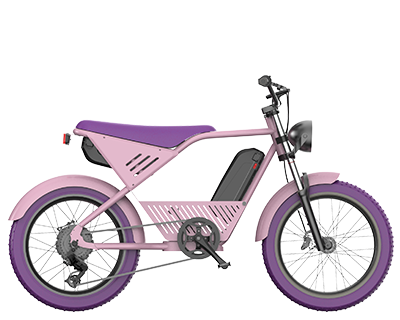
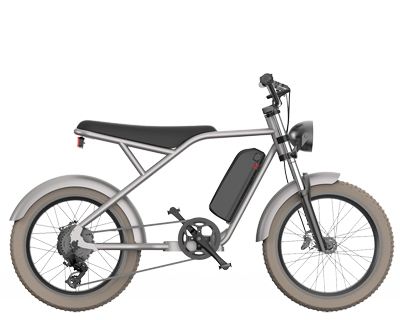
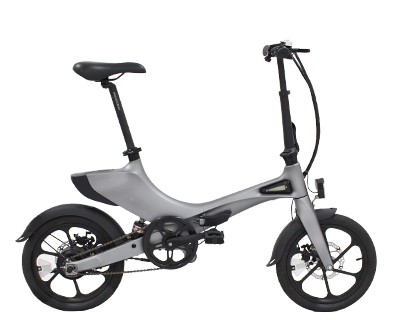
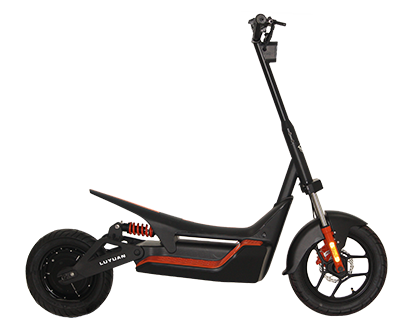
One of the first questions international buyers usually ask is whether a supplier can provide products suited to their market. Different countries can have very different preferences for commuting, leisure, delivery, and performance-oriented electric mobility.
For a distributor, this variety makes it possible to compare products according to application instead of building a product range around one model.
Can the Supplier Support Different Markets?
International buyers also need to ask whether a manufacturer understands overseas markets. Regulations, customer preferences, road conditions, and vehicle requirements can vary considerably from one country to another.
LUYUAN's international division includes branding, sales, product, and order operation teams. Our official “Who Makes LUYUAN” page describes overseas marketing research intended to understand consumer requirements in different countries and regions.
This type of organizational structure can be relevant to buyers because exporting involves more than physically shipping vehicles. Market communication, product selection, order coordination, and local requirements all influence the commercial process.
Which Certifications Are Available?
Certification is another major question for any electric scooter exporter. A product that is suitable for one market may require different certification or technical compliance in another.
Our product portfolio identifies certifications including EEC, CE, DOT, EN15194, EN17128, and EN17860 across its product range. However, these certifications are model-specific and should not be assumed to apply to every vehicle.
Buyers should therefore request certification documents for the exact model and configuration they intend to import. They should also confirm whether additional local registration, testing, labeling, or technical requirements apply.
Where Are the Scooters Manufactured?
Factory information can help buyers evaluate whether a supplier has the infrastructure required for international orders. Production scale, automation, quality control, and engineering capabilities can all affect consistency.
We have four intelligent manufacturing bases, with a planned annual production capacity of 10 million units.
We also describe automated motor winding, assembly, inspection, and frame production. These capabilities are relevant when buyers are considering whether a supplier can support repeated orders rather than only small trial purchases.
Does the Manufacturer Have Export Experience?
An international buyer may reasonably ask how long a supplier has been serving overseas markets. Export experience can indicate familiarity with international documentation, market requirements, and cross-border business processes.
We received our first foreign trade order in 1999. We later entered markets including Japan and Indonesia, completed EEC certification for multiple models in 2007, and officially entered the U.S. market in 2018. We currently state that we export to more than 80 countries and regions and have more than 120 overseas dealers.
For a prospective electric scooter wholesale distributor, this history can provide useful context when assessing an international supplier.
Can Buyers Discuss OEM or ODM Requirements?
Not every importer wants to purchase an unchanged retail product. Some businesses may need market-specific configurations, branding, or other forms of cooperation.
We identifie Zhejiang facility as a core electric motorcycle and electric scooter OEM/ODM production base.
Buyers interested in OEM or ODM should discuss the scope of customization before ordering. This may include product specifications, branding, packaging, technical requirements, minimum quantities, development timelines, and certification implications.
What Information Should Be Confirmed Before Ordering?
A professional buyer should have the technical specification confirmed before placing an order. Important information can include motor rating, battery type and capacity, maximum speed, dimensions, weight, braking system, charging requirements, tires, and available configurations.
This becomes particularly important when the same model is available in multiple versions. A product name alone may not fully describe the specification that will be shipped.
Buyers should ensure that the quotation, technical sheet, purchase agreement, and final shipping documents refer to the same configuration. Clear documentation can reduce misunderstandings between the buyer and supplier.
How Does Order Coordination Work?
International procurement often involves multiple steps between initial inquiry and shipment. Product selection, quotation, configuration confirmation, production scheduling, inspection, documentation, and logistics all need to be coordinated.
The “Who Makes LUYUAN” page identifies an Order Operation Team within our company's international division. We also list dedicated sales and product departments.
For an electric scooter wholesale distributor, having clear communication throughout these stages can make repeat purchasing easier and provide better visibility into the order process.
What About Shipping and After-Sales Service?
Transportation is another area buyers should discuss early. Electric scooters contain batteries and other components that may require specific shipping arrangements, packaging, and documentation.
Buyers should confirm shipping terms, packaging specifications, loading arrangements, battery documentation, expected lead times, and responsibility for freight-related procedures. The exact requirements can vary according to destination and shipping method.
After delivery, distributors should also understand warranty procedures, technical support, spare-parts availability, and communication channels. These issues can directly affect how efficiently a local distributor supports its customers.
Can the Supplier Support Long-Term Distribution?
For businesses planning a serious market presence, the relationship with the manufacturer may extend beyond individual purchase orders. A distributor may need assistance with product selection, marketing, technical information, market development, and channel cooperation.
LUYUAN's official materials describe a global network of dealers and overseas partners, while our international division includes dedicated functions for branding, sales, product management, and order operations.
In 2026, we also described a broader global strategy focused on moving from product export toward capability and ecosystem development, including localized supply, training, and service through international innovation centers.
What Should Buyers Ask Before Choosing an Exporter?
A good supplier evaluation should turn general claims into specific questions. Buyers can ask:
Which models are available for the target market?
What certifications apply to each model?
What are the exact battery and motor specifications?
What are the minimum order quantities and lead times?
Can OEM or ODM cooperation be provided?
How are products inspected before shipment?
What shipping documents are available?
How are warranty and spare-parts requests handled?
These questions give an electric scooter wholesale distributor a more practical framework for comparing suppliers.
Choosing an Export Partner With the Bigger Picture in Mind
Selecting an electric scooter exporter should ultimately involve more than comparing unit prices. Product range, manufacturing infrastructure, certifications, export experience, order coordination, quality control, and after-sales resources can all influence the success of an international sourcing relationship.
Our long history in electric two-wheelers, overseas market experience, manufacturing network, and dedicated international functions provide a useful example of what buyers can examine when evaluating a Chinese supplier. We have been developing electric two-wheelers since 1997 and now serves markets across more than 80 countries and regions.
For importers and distributors, the most effective approach is to ask detailed questions before signing an order. Clear answers about products, compliance, production, logistics, and support can help transform an initial supplier inquiry into a more structured and reliable B2B partnership.




Press: media@luyuan.cn
Telephone: +86-579-82272946
Business: market@luyuan.cn
Telephone: +86-579-82272528
Service: service@luyuangroup.com
Select your country or region
Global
Asia
中文