








Popular searches:
EB-S1
S90
MNK6
EB-S1E
What Support Can a LUYUAN Electric Scooter Distributor Expect?


Aug 16,2026
Becoming an electric scooter distributor involves more than purchasing vehicles and reselling them. For a distributor to build a sustainable business, the relationship with the manufacturer may need to cover certification, marketing, sales channels, technical training, after-sales service, and local market development.
This is why businesses evaluating electric scooter distributorship opportunities should examine the support structure behind a product portfolio. A manufacturer that provides resources beyond the factory can make market entry and long-term channel development more manageable.

Start With the Support System
Before choosing a supplier, distributors should identify the areas where they are likely to need assistance. New market entrants may require help with regulatory certification, product knowledge, promotional materials, and service procedures.
Established distributors may have different priorities. They may already have sales channels and technical teams but need reliable supply, channel coordination, localized products, or volume-based commercial support.
The right partnership therefore depends on the distributor's existing capabilities. Support should complement what the local business already does well rather than duplicate its resources.
Certification Support Can Simplify Market Entry
Regulatory requirements can be one of the more complicated parts of international electric scooter distribution. Different markets may have their own requirements for vehicle specifications, batteries, electrical systems, safety, and registration.
LUYUAN's dealer policy identifies certification support as one of our dealer services. We help dealers meet local regulatory requirements efficiently and enter markets faster. We also note that specific policies depend on the country or region.
For distributors, this can be valuable during the early stages of market development. However, buyers should still verify the exact certification documents required for each model and destination market.
Quantity Rebates Can Support Business Growth
Purchase volume is another consideration for a scooter wholesale distributor. As sales increase, the commercial relationship between the distributor and manufacturer may need to evolve.
LUYUAN lists tiered quantity rebates among our dealer support policies. These rebates are based on purchase volume and are intended to help dealers reduce costs, improve margins, and scale their businesses more efficiently.
For distributors, the practical value of a volume program depends on the actual order structure and market demand. Businesses should clarify applicable thresholds, terms, and conditions before building a financial plan around potential rebates.
Marketing Resources Can Strengthen Local Promotion
A distributor is responsible for communicating the product to local customers. However, creating every marketing asset from scratch can consume considerable time and resources.
Our dealer policy states that we provide marketing support, including brand materials and promotional campaigns designed to attract customers and improve sales conversion.
This can help distributors maintain a more consistent brand presentation across stores and promotional channels. Local partners can then adapt campaigns to their own market while using manufacturer-provided resources as a foundation.
Channel Support Goes Beyond Selling Vehicles
An effective distribution relationship also needs a clear channel strategy. If several sellers operate in the same territory without coordination, excessive competition can undermine both retailer confidence and brand positioning.
We identifie channel planning and coordination mechanisms as part of our channel support. The stated objective is to help create healthy and sustainable dealer operations.
For a distributor, this makes channel planning worth discussing before entering a market. Questions about territories, dealer development, sales channels, and market responsibilities can help prevent misunderstandings later.
Training Helps Distributors Sell With Confidence
Electric scooters can involve different motor systems, battery technologies, smart functions, charging requirements, and maintenance procedures. Sales employees need enough product knowledge to explain these differences accurately.
Our support policy includes systematic product, sales, and technical training. We connect training with after-sales support, aiming to help dealers reduce service pressure and improve customer satisfaction.
For a new distributor, training can be particularly useful because employees may need to understand several product categories rather than one individual model.
After-Sales Support Matters After the Sale
The distributor's relationship with the customer does not end when an electric scooter leaves the showroom. Customers may later need maintenance guidance, spare parts, warranty assistance, or technical troubleshooting.
For this reason, after-sales support should be discussed before placing substantial orders. Distributors should understand warranty procedures, service responsibilities, spare-parts availability, and communication channels.
We specifically list training and after-sales among our dealer support areas. Our global distributor information also promotes all-round technical and after-sales support as part of partnership offering.
This type of support can be particularly important when a distributor is building a reputation in a new market.
Localization Can Make a Difference
Products designed for one market may require adjustments for another. Customer preferences, road conditions, regulations, climate, and purchasing habits can all influence which models perform well.
LUYUAN's dealer policy includes localization support, describing assistance with market-adapted products, marketing materials, and service strategies.
For distributors, localization can therefore be considered part of product strategy rather than simply a marketing activity. A model that matches local expectations is easier to position than one selected solely because it performs well elsewhere.
A Global Network Provides Useful Experience
Another factor worth considering is the manufacturer's existing international network. Experience across multiple markets can give a manufacturer broader exposure to different regulatory environments and customer requirements.
We serve customers in more than 80 countries and regions through a network of over 14,000 retail stores worldwide. Our distributor page also highlights our overseas innovation centers and international dealer network.
These company-reported figures provide useful background when evaluating a partnership, although prospective distributors should still conduct their own commercial and market research.
What Should a Scooter Wholesale Distributor Ask?
Before signing a distribution agreement, businesses should turn general support promises into specific questions. Which certifications are supported? What marketing materials are provided? How are volume rebates calculated? What training is available? How are warranty claims and technical issues handled?
Distributors should also ask about lead times, minimum order quantities, spare parts, product updates, customization, and market-specific requirements.
This makes the evaluation more practical. Instead of asking whether a supplier “supports distributors,” a business can determine exactly which resources will be available throughout the partnership.
Product Range Also Supports Channel Development
Support is more useful when the manufacturer has products suited to different customer groups. A distributor may need mainstream commuter scooters, higher-performance models, delivery vehicles, or electric bikes depending on its market.
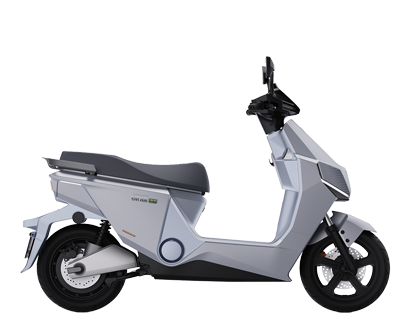
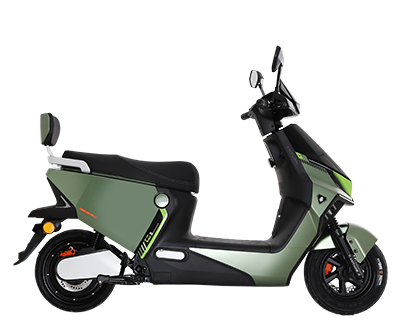
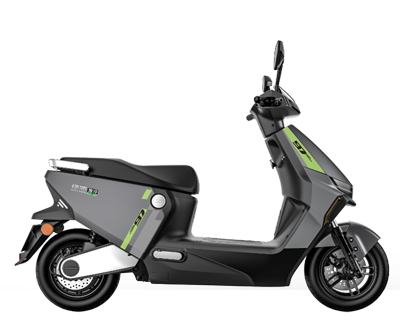
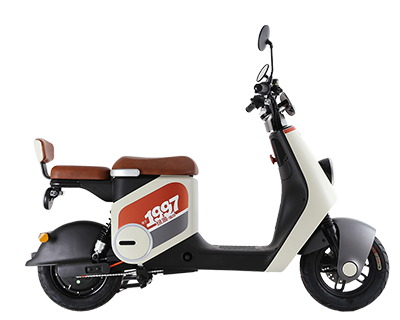
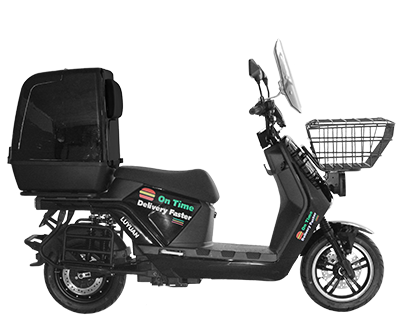
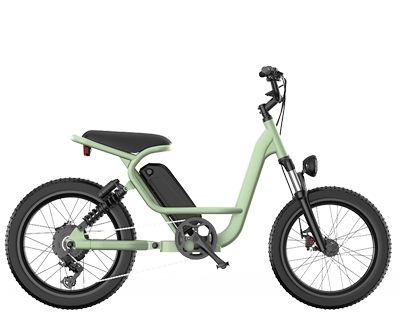
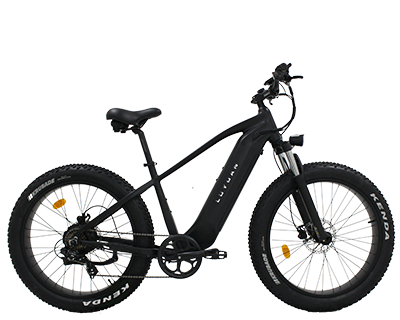
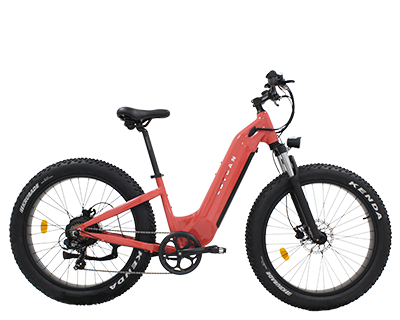
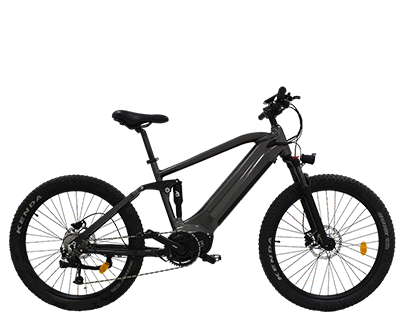
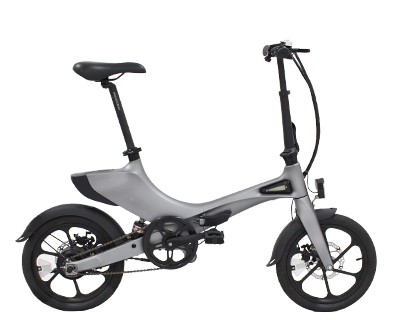
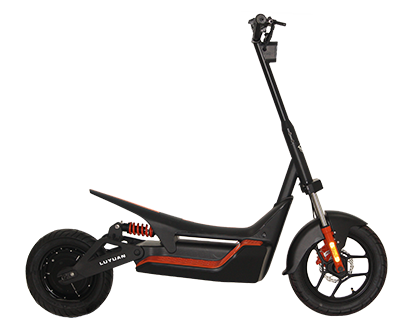
Our product portfolio includes Performance, Standard, and Delivery electric scooters, as well as Urban, Suburb, and Folding electric bikes.
This variety can allow a distributor to develop a broader market strategy around one manufacturing partner. Instead of relying on a single product type, it can organize its range according to different customer applications.
Building a Long-Term Partnership
A successful electric scooter distributorship should be viewed as a continuing business relationship rather than a series of individual orders. Product supply is important, but so are certification assistance, marketing, training, channel planning, localization, and after-sales service.
The support structure presented by LUYUAN covers these areas, while its international network provides an existing framework for global channel development.
For businesses considering becoming a scooter wholesale distributor, the next step is to compare the manufacturer's support with their own market requirements. A clear understanding of products, commercial terms, local regulations, sales capabilities, and service responsibilities can create a stronger foundation for cooperation.
Ultimately, the most useful distributor partnership is one where both sides understand their roles. The manufacturer provides products, technical resources, and channel support, while the local distributor contributes market knowledge, customer relationships, sales capabilities, and localized execution. When these strengths work together, an electric scooter business has a better basis for sustainable growth.




Press: media@luyuan.cn
Telephone: +86-579-82272946
Business: market@luyuan.cn
Telephone: +86-579-82272528
Service: service@luyuangroup.com
Select your country or region
Global
Asia
中文