








Popular searches:
EB-S1
S90
MNK6
EB-S1E
LUYUAN Electric Scooters for Delivery: What Business Users Can Consider


Aug 15,2026
Delivery businesses depend on vehicles that can keep working throughout demanding shifts. Riders may travel through crowded streets, stop and start repeatedly, carry food or parcels, and operate in changing weather and road conditions. For these users, choosing a delivery electric scooter involves different priorities from selecting a personal commuter vehicle.
The right commercial model needs to balance useful range, power, cargo handling, durability, comfort, and operating efficiency. LUYUAN's commercial delivery solution is designed around these requirements, with product approach aimed at professional delivery scenarios rather than ordinary personal transportation.

Why Delivery Operations Need a Different Scooter
A scooter used for deliveries can experience significantly more intensive use than one used for occasional commuting. A rider may complete numerous short trips during one shift, with frequent acceleration, braking, loading, and unloading.
Cargo also changes the demands placed on the vehicle. Delivery boxes and other equipment add weight, while urban routes may include slopes and congested roads. These conditions make stability and power important considerations when choosing a commercial vehicle.
For fleet operators and delivery platforms, vehicle downtime can also affect productivity. A scooter that is designed around commercial usage may therefore provide a more appropriate starting point than simply adapting a standard personal-use model.
What Makes a Delivery Electric Scooter Practical?
A useful delivery electric scooter should address several needs at the same time. Range is one consideration because riders may spend most of their working day on the road. However, range alone does not determine whether a vehicle is suitable for commercial operations.
Power delivery is equally important. Delivery routes often involve repeated starts and stops, while urban roads may include inclines. The motor and control system therefore need to provide suitable performance under these conditions.
Cargo handling is another consideration. A delivery vehicle needs enough structural support and usable loading space to carry equipment without compromising stability or rider control.
LUYUAN's Delivery-Oriented Design
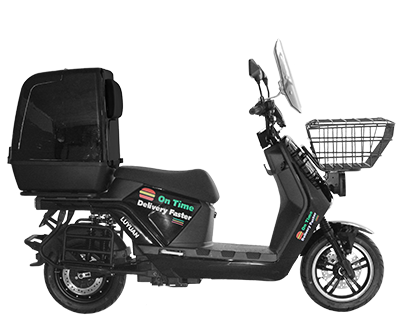
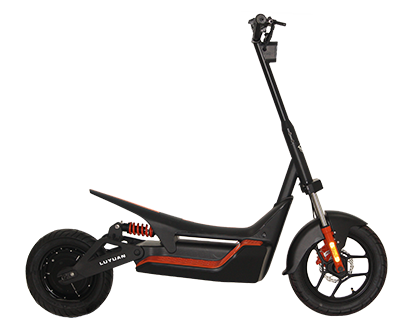
The commercial delivery solution from LUYUAN is specifically designed around food delivery applications. Our low-profile frame and an extended rear rack are designed to support food delivery boxes of different sizes while keeping cargo stable during riding.
This approach illustrates an important difference between consumer and commercial vehicles. Instead of adding a cargo rack to an ordinary scooter, the vehicle structure can be considered as part of the delivery application from the beginning.
For operators, this can make the vehicle easier to integrate into a professional delivery workflow.
Range for Full-Day Operations
Delivery riders need enough usable energy to avoid unnecessary interruptions. Our commercial delivery solution emphasizes exceptional range through a high-capacity lithium battery and energy-efficient electronic control system, with the stated goal of supporting intensive, full-day delivery operations.
The DM 01 provides a concrete example. The product page lists a 72 V 24 Ah ×2 LFP battery configuration and a range of up to 140 km based on the highest configuration test results. The page also notes that actual results can vary according to vehicle configuration.
For fleet buyers, claimed range should still be evaluated against real operating conditions, including cargo weight, rider behavior, road gradients, temperature, and daily mileage.
Power for Frequent Urban Starts
Delivery riding is rarely a smooth, uninterrupted journey. Riders may accelerate from intersections, slow for pedestrians, climb hills, and restart repeatedly throughout a route.
The DM 01 uses LUYUAN's Liquid-Cooled Motor 2.0, with a listed rated power of 2,000 W and maximum speed of 70 km/h. The product information also lists a 15° climbing ability.
These specifications provide useful reference points for commercial buyers. However, the appropriate performance level depends on local speed regulations, road conditions, cargo requirements, and the operating area.
Durability Under Heavy Use
Commercial vehicles face repeated mechanical stress. Suspension, tires, brakes, frame structures, and other components may experience greater demands when the scooter operates for many hours with additional cargo.
Our delivery solution uses a solid-state platform and liquid-cooled motors, with fatigue testing that exceeds standard requirements. We position these features around prolonged commercial use and heavy loads.
The DM 01 also uses aluminum-cylinder hydraulic front suspension and spring-plus-hydraulic rear suspension. Its listed tire size is 90/90-12 at both the front and rear, with disc brakes on both wheels.
For business users, these details are worth reviewing alongside local service and replacement-part arrangements.
Rider Comfort Should Not Be Overlooked
A delivery scooter is also a workplace tool. Riders may remain seated for several hours, so comfort can influence fatigue and productivity.
The DM 01 features a comfort seat described as providing heavy-load ergonomic support for business trips. It also has an oversized footboard designed to provide additional loading space and practicality.
These features may seem less important than battery capacity when comparing specifications, but they can become more significant during long shifts.
Smart Functions for Fleet Operations
Connected features can also provide value in commercial applications. The DM 01 supports smart unlocking through Bluetooth and NFC, while its listed functions include intelligent control through an app and GPS positioning for vehicle tracking. We note that app adaptation in each country requires secondary development.
For fleet operators, location information and digital access can potentially support vehicle management and security. The exact usefulness will depend on local software availability and how the fleet integrates these functions into its existing systems.
What Should a Commercial Electric Scooter Manufacturer Provide?
For a business evaluating a commercial electric scooter manufacturer, the vehicle itself is only one part of the decision. Buyers should also examine manufacturing capacity, testing, spare-parts availability, technical support, certifications, and the supplier's ability to support larger fleets.
These capabilities can be relevant when a business moves from individual vehicle purchases toward fleet-level procurement.
Delivery Applications Can Vary by Market
Not every delivery operation has identical requirements. Food delivery in a dense Southeast Asian city may involve different road conditions and vehicle preferences from parcel delivery in a European market.
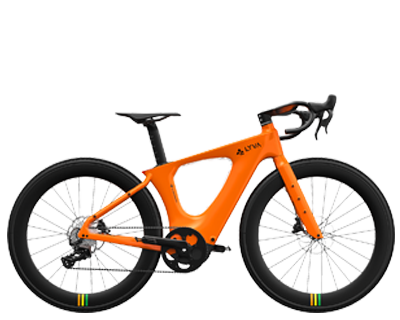
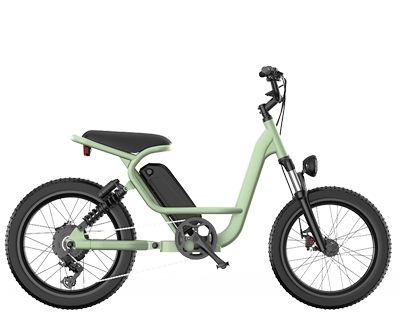
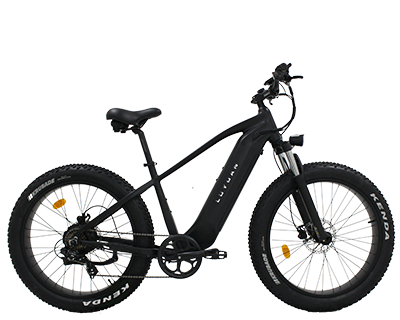
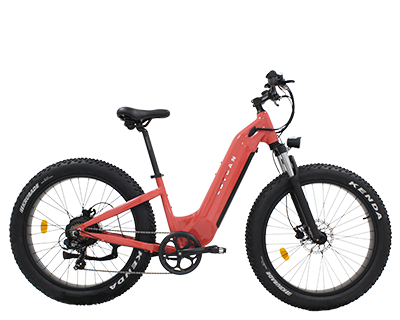
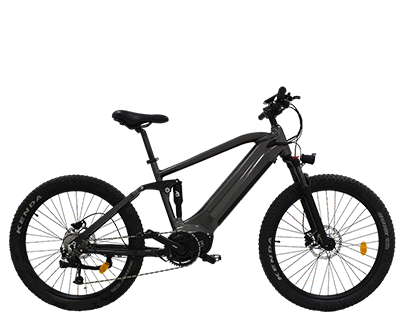
We specifically identifies both E-Bike and E-Scooter delivery markets in our commercial solution, noting that E-Bikes are preferred in Europe while E-Scooters are prominent in Southeast Asia.
This highlights why commercial buyers should consider local conditions before selecting a model. Regulations, road infrastructure, cargo requirements, charging access, and rider expectations can all influence the most suitable vehicle.
A Practical Checklist for Business Buyers
Before purchasing delivery scooters, fleet operators should evaluate several basic questions. How many kilometers will each rider travel per day? What is the typical cargo weight? Are routes flat or hilly? How frequently will vehicles operate? Where will charging take place?
Buyers should then compare battery capacity, motor output, range, suspension, brakes, cargo structure, dimensions, and available smart functions. Service arrangements and replacement components should also be discussed before the fleet is deployed.
For companies comparing a commercial electric scooter manufacturer, this broader evaluation can help prevent a common mistake: choosing a vehicle based on one impressive specification while overlooking the requirements of daily operations.
Choosing a Vehicle for the Business, Not Just the Rider
Delivery scooters should ultimately be evaluated as business tools. A vehicle that provides useful range, appropriate power, practical cargo support, durability, and rider comfort can contribute more directly to operational efficiency than a model designed only around personal transportation.
The LUYUAN commercial delivery range is built around this application-focused philosophy, while the DM 01 demonstrates how the concept translates into specific battery, motor, suspension, braking, cargo, and smart-control features.
For delivery companies, fleet operators, and distributors, the next step is to compare these capabilities with actual operating conditions. When product specifications, rider needs, fleet economics, and local regulations are considered together, businesses can make a more informed decision about which electric two-wheeler is appropriate for professional delivery work.




Press: media@luyuan.cn
Telephone: +86-579-82272946
Business: market@luyuan.cn
Telephone: +86-579-82272528
Service: service@luyuangroup.com
Select your country or region
Global
Asia

中文