








Popular searches:
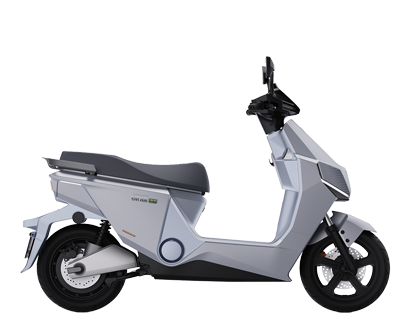
EB-S1
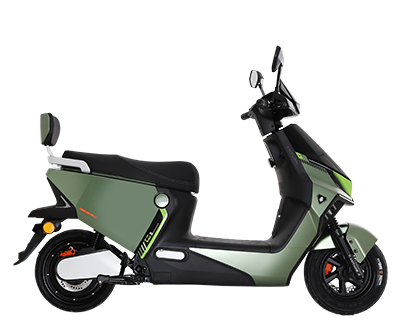
S90
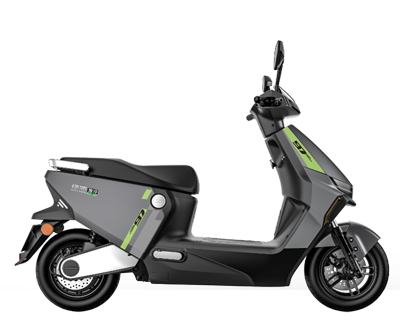
MNK6
EB-S1E
How Product Choice Supports LUYUAN Electric Scooter Buyers


Jul 14,2026
For B2B buyers, choosing electric scooters is rarely a matter of selecting the model with the highest specifications. An e-scooter supplier needs to provide products that fit different customer groups, price levels, riding environments, and commercial applications.
A well-planned product portfolio can therefore influence much more than purchasing. It can affect inventory management, sales positioning, customer satisfaction, and long-term channel development. For wholesalers, understanding product categories is an important first step before placing an order.

Start With the Customer, Not the Product
The most practical approach to procurement is to begin with the intended customer. A commuter may prioritize comfort and everyday usability, while a performance-oriented rider may care more about speed and power.
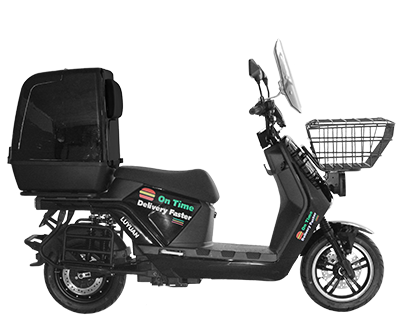
Commercial users can have another set of requirements. Delivery riders, for example, may need a vehicle designed for frequent use, greater carrying capacity, and extended operating periods.
This means an electric scooter wholesaler should avoid building its inventory around specifications alone. The better approach is to identify several target applications and then match each application with suitable models.
Understand the Main Scooter Categories
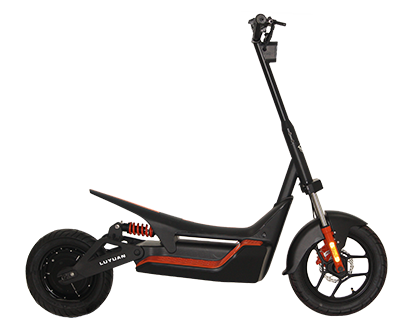
The current LUYUAN product portfolio organizes electric scooters into Performance, Standard, and Delivery categories. The Performance range includes models such as the S95, S90, MQN7, and MKK. Standard models include the S75, S70 Pro, S70, and ZQQ2, while the DM 01 is positioned for delivery applications. (LUYUAN Group)
This structure gives buyers a useful starting point. Performance scooters can address customers seeking stronger riding capabilities, while Standard models can serve everyday mobility needs.
The Delivery category serves a different commercial purpose. Having these distinctions within one portfolio allows buyers to build an assortment around customer requirements instead of treating every scooter as the same type of product.
Why Product Variety Matters for an E-Scooter Supplier
Product variety can help an e-scooter supplier serve different market segments without changing suppliers for every customer requirement. A distributor may need an affordable everyday model for one group and a higher-performance product for another.
A broad portfolio also provides opportunities to test market demand. Instead of committing heavily to one specification, a buyer can evaluate several product positions and determine which categories perform best in its territory.
This can be especially useful in international markets, where customer expectations, road conditions, regulations, and purchasing power may vary considerably between regions.
Performance Models for Higher-Specification Markets
Performance scooters are generally more suitable for buyers targeting customers who place greater emphasis on speed, power, and riding capability.
For example, the S95 portfolio includes different configurations. Our official product information lists the S95, S95 Plus, and S95 Pro Max, with rated motor power ranging from 1,200 W to 3,000 W and maximum speeds from 50 km/h to 80 km/h. The highest configuration is listed with a 72 V 45 Ah NCM battery.
For a buyer, the important point is that a performance category can contain several configurations. This makes it possible to position products at different levels instead of relying on a single premium model.
Standard Models for Everyday Demand
Not every customer needs maximum performance. Standard scooters can be useful for distributors targeting everyday commuting, urban transportation, and practical personal mobility.
The S70 Pro, S70, S75, and ZQQ2 are currently listed within the Standard category. This provides buyers with several options when developing an everyday-focused product range.
A standard product can also play an important role in inventory planning. When a model covers common use cases without excessive specifications, it may be easier for retailers to communicate its value to mainstream customers.
Delivery Models Require a Different Approach
Commercial delivery is an example of why application should influence procurement. Delivery riders may spend considerably more time on the road than private users, making durability, carrying capability, and operating efficiency important considerations.
The DM 01 is positioned by our company as a delivery scooter. LUYUAN's commercial delivery information highlights applications including food delivery and describes features intended for commercial use, including large-capacity configurations and reinforced vehicle structures.
For wholesalers, this creates a separate product position. A delivery-focused model can be marketed to fleet operators and commercial customers instead of competing directly with commuter-oriented scooters.
Consider Electric Bikes as Part of the Product Mix
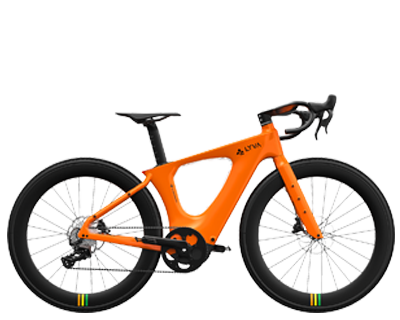
Product selection does not necessarily have to stop with scooters. The portfolio also includes electric bikes and electric kick scooters, creating additional possibilities for retailers with broader mobility strategies.
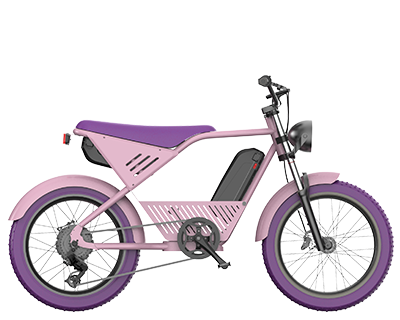
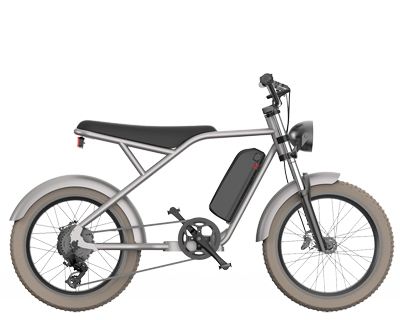
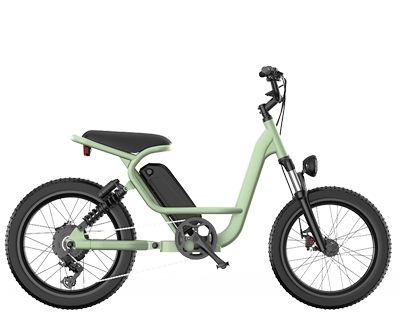
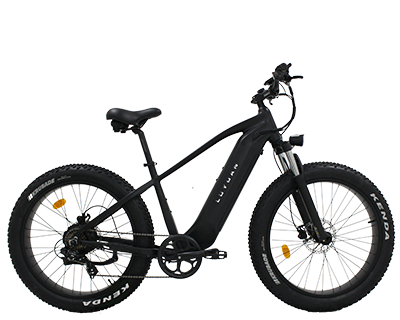
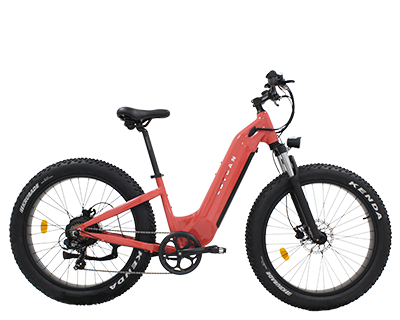
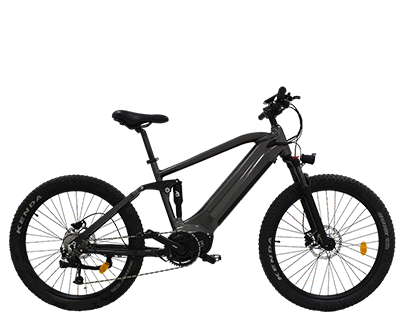
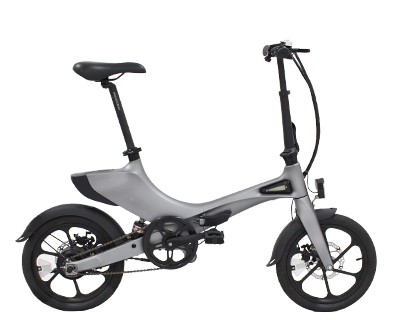
The electric bike range includes Urban Bike, Suburb Bike, and Folding Bike categories. Models listed include the M05, G01, EB-S1E, EB-S1, EB-S2, EB-2M, EB-2C, EB-1M, and FB-03.
For an electric scooter wholesaler, this broader range can create opportunities to serve customers who prefer different riding positions, vehicle formats, or mobility scenarios.
Compare Specifications Before Ordering
After identifying the target market, buyers should move to detailed specifications. Important factors can include motor type and rated power, battery type and capacity, maximum speed, range, braking system, suspension, dimensions, and available configurations.
We provide a product comparison function covering electric scooters and electric bikes, allowing buyers to review different models and configurations across areas such as body, motor, electrical systems, tires, and brakes.
This can make procurement more systematic. Rather than comparing products based on marketing descriptions alone, buyers can organize technical information according to the requirements of their target customers.
Product Choice Also Affects Inventory
Inventory planning is another reason product selection matters. Carrying too many similar models can make stock management difficult, while an overly narrow range may leave customer needs uncovered.
A balanced portfolio could include one or two mainstream models, a higher-specification option, and a product designed for a specific commercial application. The exact mix should depend on local demand and expected sales volume.
For new distributors, starting with clearly differentiated models can also make product training and sales communication easier.
Think About the Supplier Behind the Products
Product selection should ultimately be connected with supplier evaluation. Buyers should consider whether the manufacturer has sufficient production capabilities, technical resources, testing systems, and international experience to support long-term cooperation.
LUYUAN operates four intelligent manufacturing bases with a planned annual production capacity of 10 million units. We also have OEM/ODM production capabilities, automated motor and frame manufacturing, and a CNAS-accredited laboratory.
These capabilities are relevant to B2B buyers because consistent supply and product development can become increasingly important as sales volumes grow.
Build a Portfolio Around Real Demand
The strongest procurement strategy is rarely based on choosing the most powerful scooter. Instead, it involves building a product portfolio that corresponds with actual customer needs.
A commuter-oriented market may require practical Standard models. A performance-focused market may support higher-specification scooters, while delivery businesses may require specialized commercial products. Electric bikes can further expand the range for customers seeking alternative forms of electric mobility.
For businesses evaluating an e-scooter supplier, this application-first approach can make purchasing decisions more structured. It allows buyers to compare products according to their commercial purpose rather than simply comparing numbers on a specification sheet.
For businesses working with us, the breadth of the current product portfolio provides multiple categories and configurations to consider.
Ultimately, effective B2B procurement is about matching the right product with the right market. When product selection, inventory planning, customer demand, and supplier capabilities are considered together, an electric scooter wholesaler can build a more focused range and create a stronger foundation for sustainable sales.




Press: media@luyuan.cn
Telephone: +86-579-82272946
Business: market@luyuan.cn
Telephone: +86-579-82272528
Service: service@luyuangroup.com
Select your country or region
Global
Asia

中文