








Popular searches:
EB-S1
S90
MNK6
EB-S1E
LUYUAN Electric Bikes and Scooters: A Simple Product Family Guide


Aug 12,2026
Electric two-wheelers come in many forms, and choosing the right category can be confusing when every model has different specifications. Some riders need a practical commuter, while others prioritize performance, cargo capacity, portability, or off-road capability.
The LUYUAN product portfolio is organized into electric scooters, electric bikes, and electric kick scooters. Within these categories, we further group our products by intended use and design, making it easier for buyers to understand which type of vehicle may suit a particular riding scenario.

A Quick Look at the Main Product Categories
The easiest way to understand the range is to start with the three primary categories. Electric scooters cover performance, standard, and delivery applications. Electric bikes are divided into urban, suburb, and folding bikes, while the portfolio also includes an electric kick scooter category.
This structure reflects different mobility requirements rather than simply different vehicle designs. A commuter may prefer a lightweight urban bike, while a rider seeking more speed may look toward a performance scooter.
For distributors, this category structure can also make product planning easier. Instead of selecting vehicles based only on appearance, buyers can begin with the customer group and usage scenario they want to serve.
Electric Scooters for Different Riding Needs
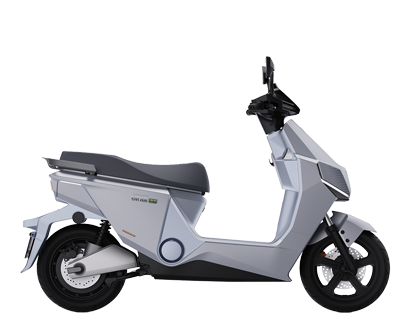
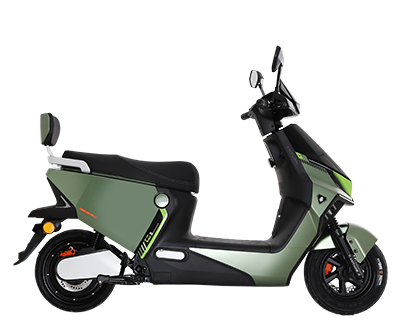
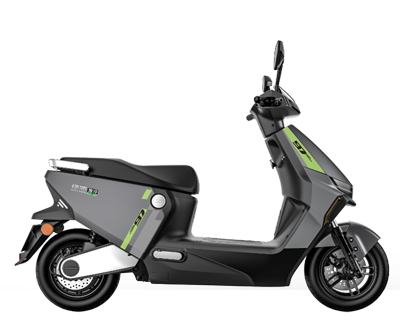
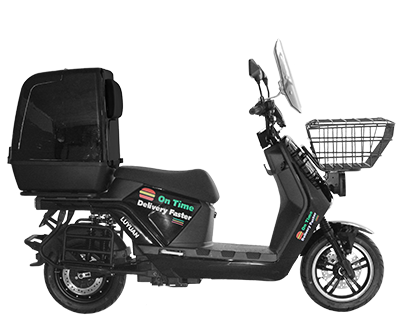
The electric scooter range is divided into Performance, Standard, and Delivery groups. The Performance category includes the S95, S90, MQN7, and MKK, while the Standard category includes the S75, S70 Pro, S70, and ZQQ2. The DM 01 is positioned in the Delivery category.
Performance scooters are the logical starting point for customers who place greater emphasis on speed and riding capability. The S95, for example, is listed with a maximum speed of 80 km/h and a range of up to 150 km based on the highest configuration test results of the S95 Pro Max.
Standard scooters take a more balanced approach. Models such as the S70 and S70 Pro provide combinations of motor performance, battery options, comfort equipment, and practical dimensions for everyday riding.
Where Delivery Scooters Fit
Delivery work creates a different set of requirements. A vehicle used for commercial delivery may spend many hours on the road, repeatedly accelerate and stop, carry additional weight, and operate across different road conditions.
The DM 01 belongs to our Delivery scooter category. Our company's dedicated delivery solution emphasizes range, power, durability, and a reinforced structure designed around food delivery applications. It also highlights features such as an extended rear rack and liquid-cooled motors for demanding commercial use.
This illustrates why product categories matter. A scooter designed for private commuting does not necessarily need the same configuration as a vehicle intended to function as a daily commercial tool.
Understanding the LUYUAN Electric Bike Range
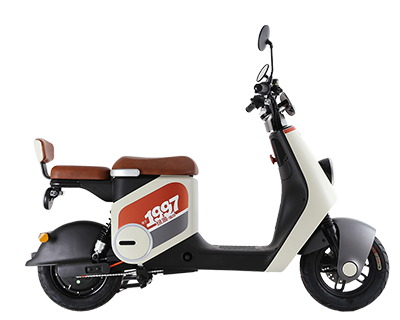
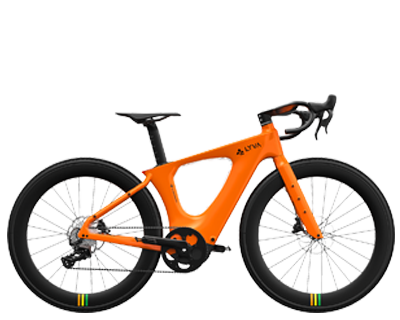
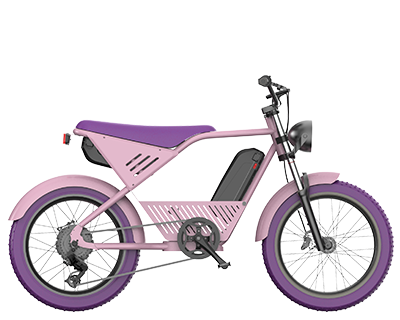
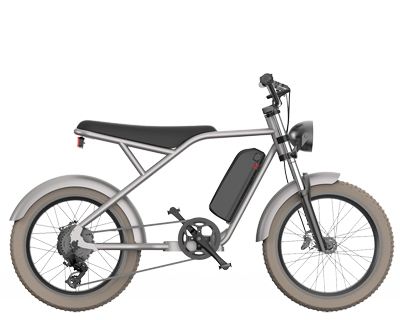
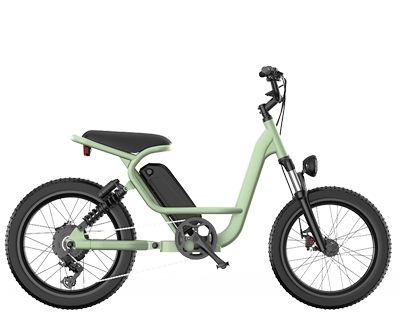
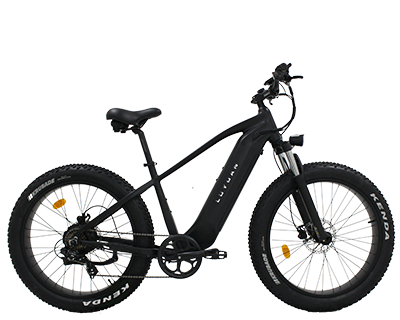
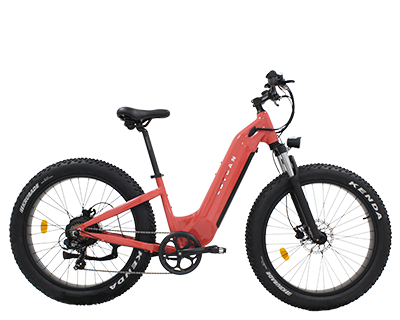
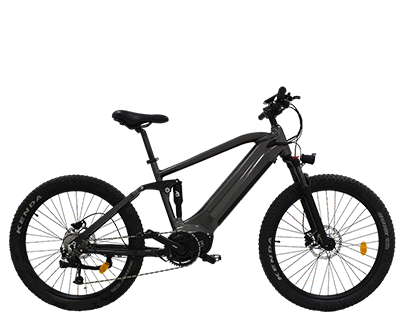
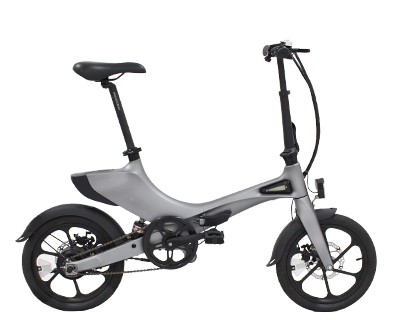
For buyers specifically searching for a LUYUAN electric bike, the product family offers several different formats. The current portfolio includes Urban Bike models such as the M05, G01, EB-S1E, EB-S1, EB-S2, EB-2M, and EB-2C. Suburb Bike products include the EB-1M, while the FB-03 is positioned as a Folding Bike.
Urban bikes are naturally suited to city-oriented mobility, where maneuverability and practical everyday transportation can be more important than high-speed performance. Suburb bikes can address longer or less urbanized routes, while folding models offer a different advantage: easier storage and transportation.
The variety means an electric bike should not be viewed as one fixed product type. Frame design, riding position, wheel configuration, equipment, and intended environment can all influence which model makes sense.
Urban Bikes for Everyday Transportation
Urban electric bikes can be a useful option for riders who want bicycle-style mobility with electric assistance. They can fit commuting, short trips, errands, and other everyday journeys where compact transportation is valuable.
The G01, for example, is listed within the Urban Bike category, alongside models including the EB-S1E and EB-S1. The product portfolio also identifies daily commuting, family rides, delivery services, and leisure and entertainment among its broader usage scenarios.
For retailers, this category can complement electric scooters by addressing customers who prefer a more bicycle-oriented riding experience. It also provides another product type for markets where e-bike adoption is already established.
Suburb and Folding Bikes Serve Different Purposes
The distinction between suburb and folding bikes is straightforward. A suburb bike is intended for a different riding environment, while a folding bike emphasizes convenience when the vehicle is not being ridden.
The EB-1M is listed as a Suburb Bike, and the FB-03 is listed under Folding Bike.
A folding model can be particularly interesting for users who need to combine electric mobility with car travel, storage limitations, or other forms of transportation. This is one reason category awareness is useful when building a product range. The best vehicle depends on how customers actually move through their daily lives.
What About Electric Kick Scooters?
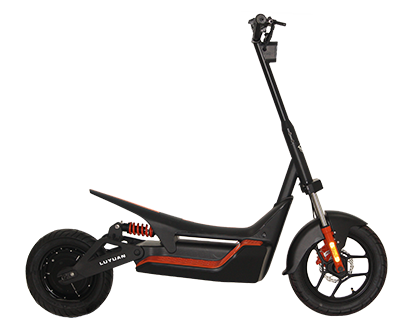
Electric kick scooters form a separate category in the product structure. Compared with seated electric scooters and electric bikes, kick scooters generally emphasize a different riding format, with a standing position and a more compact overall concept.
For businesses serving urban mobility markets, having multiple vehicle categories can help address different preferences. Some customers may want a familiar scooter-style vehicle, while others may prioritize compactness and portability.
The important point is to avoid treating all electric two-wheelers as interchangeable. Each category has its own strengths, riding position, dimensions, and potential applications.
How Should Buyers Compare the Categories?
A simple comparison can begin with four questions: Who will use the vehicle? Where will it be ridden? How frequently will it be used? What matters most, such as speed, comfort, portability, cargo capacity, or everyday practicality?
For example, a performance scooter may suit customers seeking stronger riding capability, while an urban electric bike may better match conventional cycling preferences. A delivery scooter needs to prioritize commercial durability and useful carrying capacity.
For distributors comparing e-scooter manufacturers, this approach is also useful. Rather than asking which manufacturer has the single best model, buyers can assess whether the supplier has enough category coverage to serve their intended market.
Why a Broader Product Family Matters
A broad portfolio gives retailers and distributors more flexibility when building a market strategy. Different customers can be directed toward different vehicle types without requiring a completely separate supplier for every category.
The current LUYUAN portfolio covers performance, standard, and delivery scooters, multiple electric bike formats, and electric kick scooters. We also provide product comparison tools that allow visitors to review models across categories.
This can be especially useful for B2B buyers. Instead of choosing products independently, they can consider how several models might work together within one sales channel.
Finding the Right Fit
The right electric two-wheeler ultimately depends on the user's routine. Performance scooters make sense when stronger performance is a priority. Standard scooters can provide a balanced option for everyday use, while delivery models are designed around more demanding commercial applications.
For customers interested in our electric bike, the urban, suburb, and folding categories provide different approaches to electric-assisted cycling. Meanwhile, the scooter range gives buyers additional choices for commuting, performance riding, and delivery work.
For retailers evaluating e-scooter manufacturers, understanding the full product family is more useful than focusing on one model. A supplier with several categories can provide more opportunities to match products with different customer needs. By looking at the intended application first and specifications second, buyers can build a clearer and more practical electric mobility product strategy.




Press: media@luyuan.cn
Telephone: +86-579-82272946
Business: market@luyuan.cn
Telephone: +86-579-82272528
Service: service@luyuangroup.com
Select your country or region
Global
Asia

中文