








Popular searches:
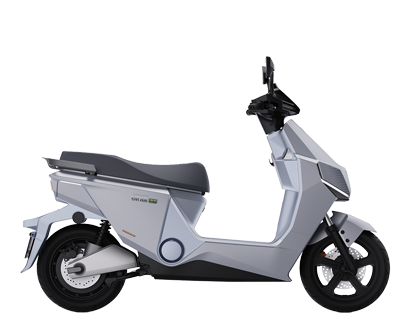
EB-S1
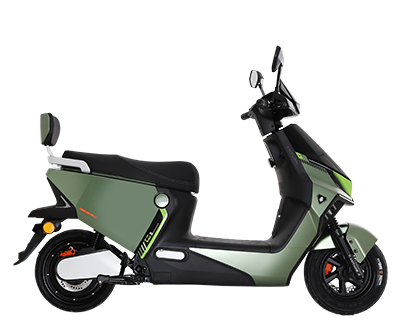
S90
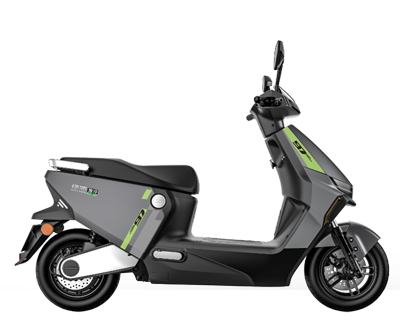
MNK6
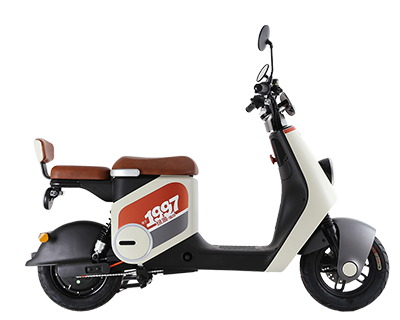
EB-S1E
How to Start a LUYUAN Electric Scooter Dealership in 2026


Aug 12,2026
Starting an electric scooter dealership in 2026 requires more than finding a popular vehicle and opening a store. A successful dealer needs a suitable product range, reliable manufacturing support, sales resources, after-sales capabilities, and a clear understanding of the local market.
For entrepreneurs and distributors considering electric scooter dealership opportunities, working directly with an established manufacturer can simplify several parts of this process. LUYUAN's current partner program provides different cooperation structures for businesses with different levels of resources and operating capabilities.

Start by Understanding the Local Market
Before contacting a manufacturer, prospective dealers should understand their own market. Consider who is most likely to purchase electric scooters, how customers use them, which price segments are active, and what local regulations apply.
A city with a large commuter population may have different requirements from a market where delivery services represent a major source of demand. Local road conditions, charging habits, weather, registration rules, and customer expectations can also influence product selection.
This research gives a potential dealer a clearer business direction. It can also make discussions with a manufacturer more productive because product and cooperation requirements can be explained with greater precision.
Choose the Right Partnership Model
Our partner page outlines both product cooperation and brand cooperation. Under product cooperation, general cooperative partners can use ODM arrangements, while important cooperative partners can work through ODM/OEM and technology or product cooperation.
Brand cooperation provides another route. General cooperative partners operate with the LUYUAN brand and can establish basic or standard stores without distributor requirements. Important cooperative partners can operate standard or flagship stores and are expected to have a certain number of distributors.
This means a dealership does not necessarily have to follow one fixed structure. The appropriate model depends on our company's resources, sales strategy, facilities, and ambitions.
Check Whether Your Business Meets the Requirements
Potential partners should assess their operational capabilities before applying. The partner information indicates that important cooperative partners are expected to be independently operated companies with certain social resources and public relations capabilities.
For this level of cooperation, we recommend a management team, requires an independent sales team, and lists an assembly plant as required. A business survey is also required. General cooperative partners have fewer listed requirements, while OEM is optional under the product cooperation structure.
For entrepreneurs starting from a smaller base, this distinction is important. It allows them to evaluate whether they are currently suited to a general dealership arrangement or whether they need to build additional infrastructure first.
Plan Your Store and Sales Channels
A physical dealership needs more than attractive showroom space. Customers should be able to compare models, understand specifications, receive purchasing advice, and access service after the sale.
Our partner structure identifies basic or standard stores for general cooperative partners, while important cooperative partners may develop standard or flagship stores. Operation centers are also listed as a separate cooperation format, with showroom or flagship-store requirements.
Potential dealers should therefore decide how they want to reach customers. Depending on local conditions, this could involve a physical store, digital sales channels, fleet customers, distributors, or a combination of several approaches.
Build a Product Portfolio Instead of Selling One Model
A dealership can be stronger when its product range serves several customer needs. Commuters, families, delivery riders, and performance-oriented users may all look for different combinations of speed, range, comfort, and price.
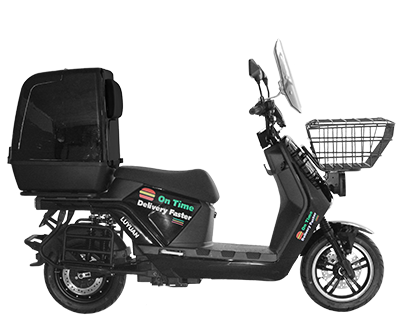
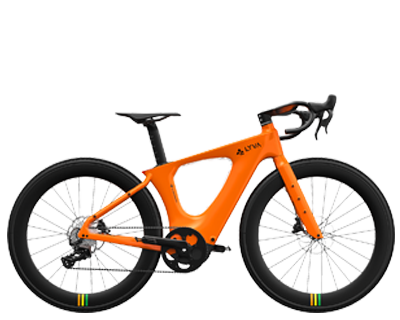
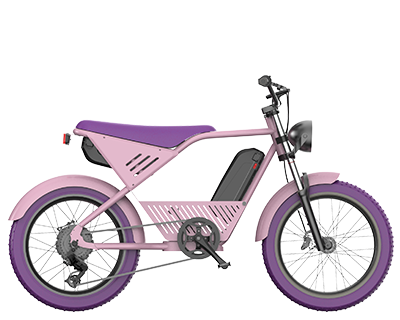
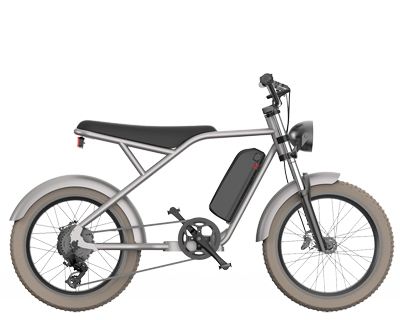
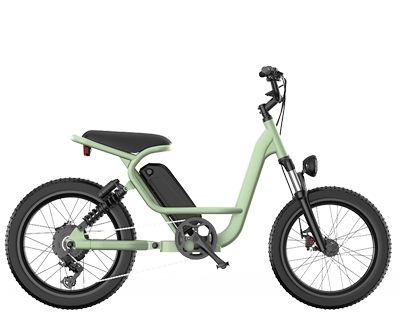
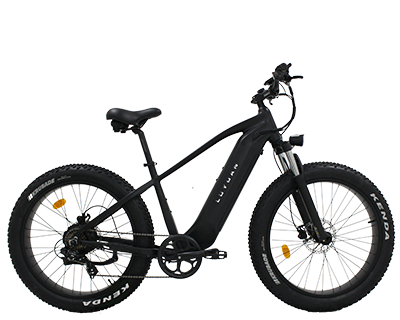
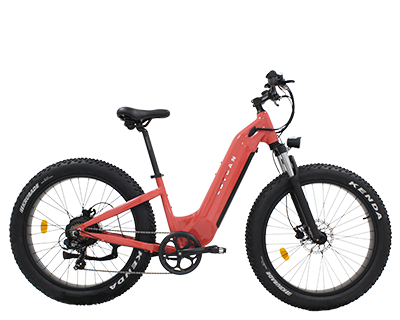
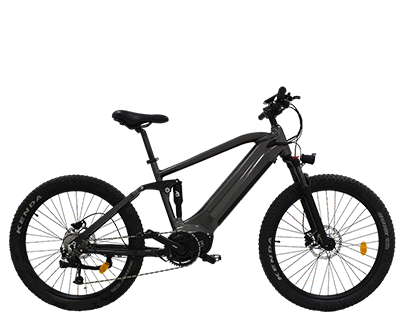
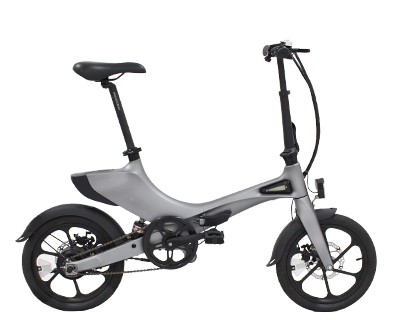
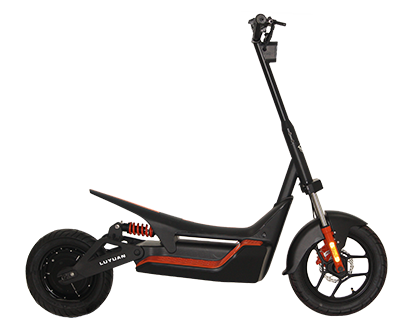
Our broader portfolio includes electric scooters, electric bikes, and electric kick scooters. Our electric scooter products are organized into Performance, Standard, and Delivery categories, allowing dealers to consider different market segments rather than relying on one vehicle type.
For a new dealer, the objective should be to select a manageable initial range. Too many models can increase inventory pressure, while too few may make it difficult to address different customer requirements.
Consider Certification and Market Compliance
International dealers also need to understand the regulations that apply to their market. Electric scooters may be subject to requirements covering vehicle classification, speed, electrical systems, batteries, safety, and registration.
Our dealer policy states that it supports dealers with the certification process and helps them meet local regulatory requirements. We also note that specific policies vary according to the country or region and should be confirmed with our company.
This should be addressed early rather than after inventory has already been purchased. A clear compliance plan can reduce delays and help determine which models are appropriate for the target market.
Understand the Support Available to Dealers
Supplier support can significantly influence the early stages of an electric scooter dealership. New dealers may need help with marketing, product knowledge, technical training, service procedures, and channel planning.
Our dealer policy lists certification support, quantity rebates, marketing support, channel support, training and after-sales service, and localization support. These resources are designed to help dealers manage market entry, improve sales efficiency, and respond to local customer needs.
The exact policies depend on the country and actual cooperation situation. Prospective partners should therefore confirm the applicable terms directly before making investment decisions.
Prepare a Practical Business Plan
Before applying, prepare a basic business plan covering your target customers, expected sales volume, store or warehouse requirements, staffing, marketing approach, and service capabilities.
It is also useful to estimate costs beyond the purchase price of the scooters. These can include transportation, customs, certification, storage, showroom expenses, employee costs, marketing, spare parts, and after-sales service.
A realistic plan makes it easier to evaluate whether particular electric scooter dealership opportunities fit our company's financial and operational resources.
Why Manufacturer Experience Matters
The manufacturer behind a dealership can influence product availability and long-term business stability. LUYUAN was established in 1997 and now operates more than 14,000 retail stores across more than 80 countries and regions, serving more than 30 million users. We also report four intelligent manufacturing bases and a planned annual production capacity of 10 million units.
For a potential dealer, this background provides useful context when assessing a partnership. Manufacturing scale does not guarantee success in a particular market, but it can be relevant when considering product availability, technical resources, and international experience.
Take the First Step in 2026
Starting a dealership is ultimately a process of matching market demand with the right products, business structure, and supplier support. Prospective dealers should first study their market, determine their resources, select an appropriate cooperation model, and clarify certification and after-sales requirements.
For businesses exploring electric scooter dealership opportunities, LUYUAN offers several cooperation routes, including product cooperation, brand cooperation, and operation-center structures. Our partner program is designed to accommodate different business capabilities rather than applying one model to every potential partner.
For entrepreneurs ready to move forward, the next practical step is to contact our company with a clear description of the target market, business resources, preferred cooperation model, and expected development plans. With appropriate preparation, 2026 can be a useful starting point for building an electric scooter dealership around a growing mobility market.




Press: media@luyuan.cn
Telephone: +86-579-82272946
Business: market@luyuan.cn
Telephone: +86-579-82272528
Service: service@luyuangroup.com
Select your country or region
Global
Asia

中文