








Popular searches:
EB-S1
S90
MNK6
EB-S1E
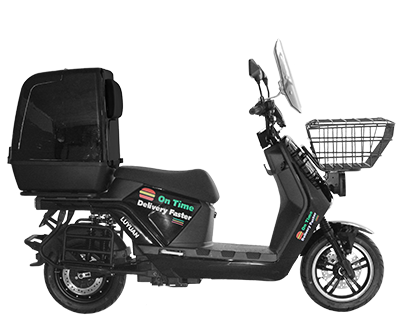
LUYUAN Battery-Swapping Electric Scooter: A Beginner-Friendly Introduction


Aug 10,2026
For many electric scooter users, charging is one of the least convenient parts of everyday mobility. A conventional scooter may need to remain parked while its battery is recharged, which can be inconvenient for commuters, delivery riders, and high-frequency users. A battery swap electric scooter offers a different approach by replacing a depleted battery with a charged one at a dedicated swapping station.
This model changes how riders think about energy replenishment. Instead of waiting for a battery to charge, users can exchange it and continue riding. The LUYUAN battery-swap solution is designed around this idea, combining electric two-wheelers with a network of intelligent battery-swapping stations.

What Is a Battery-Swapping Electric Scooter?
A battery-swapping electric scooter uses a removable battery that can be exchanged when its stored energy becomes low. The basic process is straightforward: the rider travels to a compatible battery-swapping station, removes the depleted battery, and installs a fully charged replacement.
This differs from conventional charging because the vehicle does not need to remain connected to a charger during the energy replenishment process. The depleted battery can instead be charged separately inside the swapping network.
For users who depend on their scooter throughout the day, this can make energy management more flexible. It is particularly relevant to applications where stopping for a long charging session would interrupt work or transportation.
How Does LUYUAN's Battery-Swapping System Work?
Our battery-swap solution centers on a connected network of intelligent swapping stations. When the scooter battery runs low, users can locate a nearby station through the mobile app.
At the station, the rider parks the vehicle in the designated area and scans a QR code to open the battery cabinet. The depleted battery is removed and replaced with a fully charged battery. The complete swapping process takes only a few dozen seconds.
The process is designed to resemble refueling a conventional motorcycle. The main difference is that the energy source is a rechargeable battery rather than gasoline.
Why Is Battery Swapping Useful for Urban Mobility?
The biggest advantage is time. Traditional battery charging can require the scooter to remain stationary for an extended period. Battery swapping separates the charging process from the rider's journey.
This can be valuable for people who use electric scooters frequently throughout the day. Delivery riders, service workers, commuters, and fleet operators may need to maximize vehicle availability rather than wait beside a charging point.
The system can also reduce concerns about finding enough time to recharge. If a suitable swapping station is available within the vehicle's remaining travel range, the rider can exchange the battery and continue the journey.
Battery Swapping Can Support High-Frequency Applications
For occasional riders, charging at home may already be sufficient. The application becomes more interesting when a scooter is used repeatedly over many hours.
Consider a delivery rider moving between multiple locations. With a conventional charging arrangement, the rider may need to schedule a long charging period around working hours. A swapping system can instead provide a faster energy replenishment option.
This also creates potential value for fleet operators. Vehicles can spend more time performing their intended tasks and less time waiting for energy replenishment. However, the practical benefits depend on station availability, battery compatibility, operating areas, and the size of the local network.
What Makes the Network Important?
A battery-swapping scooter cannot be considered separately from its swapping infrastructure. The value of the system depends heavily on whether users can conveniently access compatible stations.
Our solution is a dense and intelligent battery-swapping network. The mobile app is used to locate stations, while QR-code access connects the rider with the battery cabinet.
This network approach is important because battery swapping works best when stations are available along common routes. A single station may have limited usefulness, while a sufficiently connected network can make the system more practical for daily urban transportation.
Safety and Battery Management Still Matter
Replacing a battery quickly does not remove the need for proper battery management. Batteries need suitable charging, monitoring, storage, and protection systems to support safe operation.
LUYUAN's broader battery technology includes a Battery Digital Care System that combines battery monitoring, thermal management, smart-app functions, and intelligent charging control. Our system adjusts charging according to ambient temperature and provides real-time battery monitoring.
For battery-swapping applications, these functions are especially relevant because batteries circulate through a shared energy ecosystem. Proper management can help operators monitor battery condition and maintain consistent service.
What Should an Electric Scooter Wholesale Supplier Consider?
For an electric scooter wholesale supplier, battery swapping introduces additional considerations beyond the vehicle itself. Product selection needs to be coordinated with battery specifications, swapping cabinets, software, station deployment, and local operating requirements.
Wholesale buyers should therefore ask whether the scooter is designed specifically for the proposed swapping system and whether replacement batteries are compatible across the intended product range. They should also clarify battery ownership, maintenance responsibilities, warranty terms, station coverage, and software support.
Where Can Battery-Swapping Mobility Make Sense?
Battery swapping is particularly suited to environments where electric two-wheelers are used frequently and travel within defined urban areas. Delivery services are one example because riders often follow repeat routes and need predictable vehicle availability.
Urban commuting can also benefit when stations are positioned near residential areas, workplaces, commercial districts, and transportation hubs. Fleet operators may find the model useful when multiple vehicles need regular energy replenishment.
The technology is less dependent on a single rider's home charging setup. Instead, energy access becomes part of a shared mobility infrastructure.
A Simple Way to Understand the LUYUAN Solution
The easiest way to understand a battery-swapping electric scooter is to think of it as an electric vehicle combined with an energy exchange network. The scooter provides transportation, the removable battery stores energy, the swapping station provides rapid replacement, and the digital platform helps users locate and access the service.
LUYUAN's battery-swap solution is built around this complete application rather than treating battery replacement as an isolated feature.
For riders, the main attraction is convenience and reduced waiting time. For businesses, the concept can provide another way to organize electric mobility around high-frequency use.
As battery-swapping networks develop, this model may become an increasingly practical complement to conventional charging. For buyers considering electric two-wheelers, understanding the complete system is essential. A scooter, battery, swapping station, and digital platform need to work together to deliver the intended experience. For an electric scooter wholesale supplier, this system-level perspective is equally important when evaluating products for commercial and urban mobility markets.




Press: media@luyuan.cn
Telephone: +86-579-82272946
Business: market@luyuan.cn
Telephone: +86-579-82272528
Service: service@luyuangroup.com
Select your country or region
Global
Asia

中文