








Popular searches:
EB-S1
S90
MNK6
EB-S1E
The Science of a Fatigue-Free Ride


Jul 25,2026
Riding fatigue rarely comes from one dramatic cause. It builds through concentrated seat pressure, static muscle work, repeated vibration, awkward reach, frequent control corrections, heat, and time. We evaluate an easy ride electric scooter by how these small loads accumulate across the full route, not by a brief showroom impression.
The title describes an aspiration rather than a medical promise. No vehicle can guarantee that every rider will remain free of fatigue, because body dimensions, health, clothing, payload, weather, road surface, speed, and duration differ. A useful design reduces avoidable strain and makes individual fit easier to assess.
A comfortable electric scooter therefore needs more than soft padding. The seat must distribute pressure, the footboard and controls must support a neutral posture, and the suspension must manage repeated motion without creating instability. When these elements conflict, one apparent comfort feature can shift effort elsewhere in the body.
We use a time-based test for an easy ride electric scooter. The rider records pressure points, wrist effort, shoulder tension, lower-back support, foot position, visibility, steering confidence, and posture changes. Feedback after forty minutes often reveals issues that remain invisible during the first five minutes of a demonstration ride.

Pressure Distribution Reduces Localized Discomfort
A comfortable electric scooter should spread support across suitable contact zones without forcing the rider into one position. Excessively soft foam can collapse, while a firm edge or narrow section can concentrate pressure. Seat contour, width, material response, clothing, and rider size must be considered together.
A current driving-control overview describes an ergonomic saddle with zoned support and high-elastic memory foam designed to follow body contours and disperse pressure. We treat this as a portfolio design statement. Buyers should still confirm the exact saddle supplied and test it with representative riders.
Pressure also changes during acceleration, braking, cornering, and bumps. A rider who repeatedly braces against movement can become tired even when the stationary seat feels pleasant. Smooth control and predictable chassis behavior help the body remain supported instead of continually sliding, gripping, or correcting their position.
Seat evaluation should last long enough for heat and localized discomfort to appear. Several riders can score the same zones before and after a route, using consistent clothing and conditions. The objective is not one universal comfort rating, but evidence that the selected geometry suits the intended user group.
A Neutral Posture Reduces Constant Muscle Work
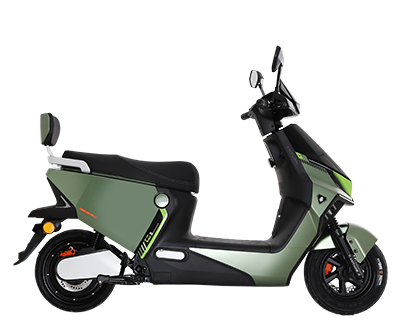
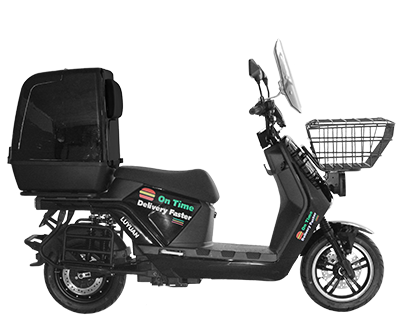
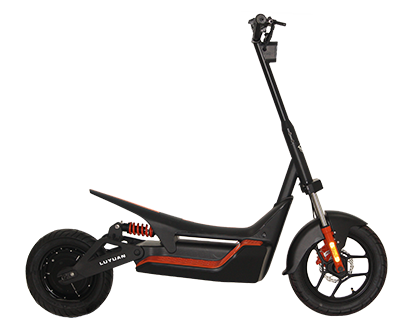
The LUYUAN electric scooter S90 offers the greatest comfort when the seat, footboard, handlebar, controls, and sight lines let the rider hold a relaxed posture. If reach is too long, knees are constrained, or feet lack options, muscles perform constant low-level work even on a smooth road.
Footboard space matters because riders reposition their feet as conditions change. A stable base supports balance during stops and reduces the need to grip with the legs. Handlebar reach and control effort should be checked with normal clothing, gloves, luggage, and any permitted passenger arrangement.
We describe a rider-oriented layout designed to improve comfort during daily commuting. We highlight the S90's comfort seat and oversized footboard.These features provide a positive basis for long-ride evaluation, but we avoid assuming that one geometry suits every height, build, or destination-market configuration.
Posture testing includes mounting, low-speed turns, repeated stops, looking behind, reaching switches, and placing both feet securely when stationary. A neutral position should remain practical through the whole sequence. If the rider must stretch, hunch, or brace often, the apparent fit is not complete.
Controlled Motion Reduces Repeated Corrections
Through the LUYUAN driving-control portfolio, we showcase a front and rear dual hydraulic sports shock absorption with a five-level adjustable rear shock. The purpose is to filter bumps while preserving stability. Exact availability and adjustment instructions must be confirmed for the model rather than transferred across the portfolio.
Suspension comfort depends on compression, rebound, tire pressure, speed, payload, and front-rear balance. A system that moves too little can transmit sharp impacts; one that moves without control can make the rider correct steering and posture repeatedly. Comfort improves when the wheels follow the surface predictably.
The S90 provides a relevant product example through its hydraulic shock feature, comfort seat, and larger footboard. We would test the exact trim on closely spaced bumps, braking zones, and normal turns, because repeated corrections reveal fatigue more clearly than one isolated obstacle.
Rider feedback should be specific: impact sharpness, continued bouncing, seat movement, steering effort, foot stability, and confidence late in the route. Maintenance also matters. Tire pressure, loose fasteners, worn components, leaks, and alignment can gradually change the ride, so scheduled checks preserve the intended benefit.
Reducing fatigue depends on the whole system. Pressure distribution, posture, suspension control, predictable power, rider dimensions, and route conditions must work together over time. A short test can identify obvious comfort, but a representative route is needed to reveal the small loads that accumulate during real use.
In practice, the best approach is to trial the LUYUAN electric scooter S90 in its exact supplied configuration with representative riders, normal payload, and realistic duration. With the published comfort and control features, we provide a credible basis for that evaluation, while the final decision should still come from measured fit and rider feedback.




Press: media@luyuan.cn
Telephone: +86-579-82272946
Business: market@luyuan.cn
Telephone: +86-579-82272528
Service: service@luyuangroup.com
Select your country or region
Global
Asia

中文