








Popular searches:
EB-S1
S90
MNK6
EB-S1E
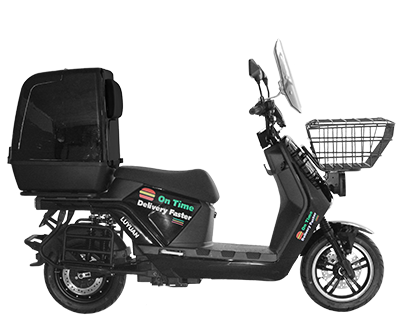
What to Look for in a Delivery Fleet Scooter


Jul 27,2026
A delivery vehicle is a production tool. It must complete assigned routes with normal cargo, predictable energy reserve, manageable rider fatigue, serviceable components, and support when something fails. We evaluate a delivery electric scooter through route and uptime evidence rather than treating a commuter specification as sufficient for commercial work.
The task profile comes first: payload and placement, stops, gradients, road surface, weather, daily distance, operating hours, parking, charging windows, rider changes, and required availability. Without this profile, buyers cannot know whether range, structure, braking, battery, or service will become the first constraint.
A heavy duty electric scooter should have a documented payload rating and compatible cargo system. We do not provide a universal fleet payload, failure rate, or operating cost for all products. Instead, our verification process evaluates each item individually and avoids making unsupported claims about the commercial performance of any model or brand.
We provide technologies such as protected solid-state electrical components, advanced frame and braking systems, steel-wire tires, digital battery monitoring, temperature-aware charging, and smart connectivity features. However, each claim should be matched to the specific fleet model, as portfolio capabilities are not necessarily included in every product configuration.

Start With Route, Load and Uptime Requirements
A heavy duty electric scooter should be evaluated only after actual operating loads are measured. Buyers should record maximum and typical cargo mass, dimensions, position, fastening, and changes during the route. Load distribution affects steering, braking, suspension, tires, energy use, visibility, and safe mounting or dismounting.
Distance planning should use a reserve based on local trials. Speed, stops, hills, payload, wind, temperature, tire pressure, battery age, and detours change energy consumption. Dispatch should not depend on reaching the last displayed kilometer, especially when a missed stop or return trip has operational consequences.
Beyond route and payload planning, a delivery electric scooter also requires a realistic charging and vehicle rotation strategy. Approved chargers, electrical capacity, parking, ventilation, inspections, emergency procedures, and time between shifts matter. If charging takes longer than the available window, the fleet needs another schedule or configuration rather than optimistic assumptions.
Uptime requirements should be explicit. The fleet can define daily availability, maximum acceptable interruption, spare-vehicle strategy, service response, and parts coverage. These are commercial targets to negotiate and measure; they are not universal commitments from LUYUAN and should not be presented as such.
Inspect the Components Behind Daily Reliability
An electric scooter battery management system can monitor pack conditions and coordinate protective responses. Our digital battery management technology supports real-time monitoring, temperature-aware charging adjustment, constant-temperature protection, and active cooling.Exact availability and quantitative results require confirmation for the proposed delivery model.
Structure and braking carry repeated operational stress. Our reliability technologies include precision steel construction, robotic welding, ceramic braking, and steel-wire tire technology.. Buyers should request the model's actual payload, frame, brake, tire, suspension, and maintenance specifications before drawing fleet conclusions.
We also protect integrated core electrical components against water, shock, flame, and dust. This can support discussion of harsh daily exposure, but the rating and scope of every installed component must be verified. A technology description does not grant one protection level to the entire vehicle.
Serviceability is part of durability. Technicians need access to diagnostics, manuals, parts, torque values, battery handling, software information, and warranty procedures. A robust component that takes weeks to identify or replace can still create unacceptable downtime, so the support path should be tested before scale-up.
Pilot Before You Standardize the Fleet
Using LUYUAN's engineering approach, we recommend a controlled pilot covering representative routes, riders, cargo, shifts, weather, parking, and charging. A showroom ride cannot reveal end-of-shift energy, repeated-stop brake behavior, rider fatigue, alert handling, maintenance demand, or the supplier's response to a real service question.
The pilot should log distance, time, payload, charge, energy, warnings, tire and brake checks, defects, downtime, repair action, parts, rider comments, and completed deliveries. Serial and configuration information keeps results traceable. Several weeks or seasons may be needed to understand variation, depending on project risk.
An electric scooter battery management system may provide useful status and alerts, but teams need an action for each message. Riders should know when to stop, report, charge, or isolate a vehicle. Technicians need authorized diagnostic and replacement procedures rather than improvised battery work.
Standardization follows evidence. The fleet may choose one configuration, separate route classes, adjust cargo layout, revise charging, increase spares, or change maintenance intervals. The approved specification and operating procedure should then be frozen, with future changes reviewed so the scaled fleet remains comparable to the pilot.
A strong fleet scooter fits the route, documented load, energy reserve, braking, structure, tires, thermal conditions, rider, maintenance, and service network. No one feature establishes readiness. The vehicle becomes a dependable production tool when all these elements are verified together under realistic commercial use.
The stronger option is piloting the exact configuration and using measured results to set dispatch, charging, inspection, spare-vehicle, and maintenance rules. That approach avoids unsupported payload or cost claims and gives procurement a defensible basis for standardizing vehicles across the routes they can genuinely support.




Press: media@luyuan.cn
Telephone: +86-579-82272946
Business: market@luyuan.cn
Telephone: +86-579-82272528
Service: service@luyuangroup.com
Select your country or region
Global
Asia

中文