








Popular searches:
EB-S1
S90
MNK6
EB-S1E
The 10-Year Motor Warranty—and Why We Can Offer It


Jul 11,2026
A long warranty is most credible when it connects to known failure modes. We start with the liquid cooled motor because we designed this technology to address key long-term motor challenges, including high-temperature demagnetization and moisture-related rust risks. Cooling and protection are therefore engineering measures that underpin this coverage, not decorative additions to it.
An all weather electric scooter must still operate within stated limits. Rain protection does not make maintenance optional, and temperature control does not remove load limits. We regard the published coverage as an invitation to examine the relevant motor version, covered parts, exclusions, maintenance obligations, market terms, and available service support.
We provide a ten-year warranty for applicable liquid-cooled motor series used in certain e-scooter and e-bike products. That wording matters. We do not assume every product, country, commercial use case, or component receives identical coverage, and buyers should obtain the current written policy before ordering.

Warranty Confidence Starts With Failure Modes
A buyer evaluating an all weather electric scooter should first ask what usually shortens motor life. Heat can threaten magnetic performance, while water inside the assembly can promote corrosion. Bearings, seals, connectors, controller behavior, road impacts, overload, and maintenance also matter, so confidence in long-term protection must be grounded in system design.
A liquid cooled motor addresses accumulated heat by circulating coolant through the motor assembly. The relevant technical information reports a temperature reduction of up to 38°C and efficiency above 92%. These are qualified technology claims, and actual results can vary with the motor model, load, route, weather, and test procedure.
Lower heat exposure can reduce one source of long-term stress, but it cannot prevent every failure. That is why we distinguish supporting engineering from absolute durability. A long coverage term should be backed by defined testing, quality control, service procedures, replacement parts, and clear responsibility when a covered problem occurs.
The coverage period should also be separated from expected life. A covered component may operate beyond the stated term, while a failure during the term may still fall outside coverage if an exclusion applies. Engineering confidence and contractual coverage are related, but they are not identical concepts.
Cooling and IPX8 Protection Address Those Risks
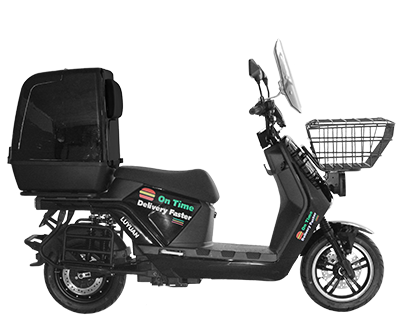
The best electric motorcycle for delivery may be chosen for demanding routes, but delivery suitability involves more than speed or range. Payload, braking, tires, lighting, weather protection, charging schedule, service access, rider comfort, and local regulations all matter. A motor warranty supports the business only when the whole vehicle fits the job.
At LUYUAN, we list IPX8 waterproofing for applicable products in our liquid-cooled motor series. We treat that as a specific tested classification, not a claim that the entire vehicle can be submerged without consequence. Buyers should verify the protection ratings of the battery, controller, display, connectors, and charging interface separately.
Cooling and sealing form a sensible pair. Active circulation manages internal temperature during use, while sealing helps keep moisture away from vulnerable surfaces. Together they directly address the two chronic issues we identify, giving our published warranty a clearer technical foundation than a promise based only on marketing confidence.
Documentation protects both parties. Owners can retain purchase records, serial information, scheduled-service history, photographs after unusual incidents, and communications with authorized support. This evidence can shorten diagnosis and help the provider determine whether a reported condition falls within the written policy.
Buyers Should Read the Warranty Scope Carefully
At LUYUAN, our priority is to encourage customers to match the product specification, contract, warranty card, and destination-market terms. If documents differ, the signed sales and warranty terms require clarification before purchase. Serial numbers, service records, maintenance intervals, permitted use, and authorized repair channels may determine whether coverage applies.
The best electric motorcycle for delivery is the one that meets route and operating requirements with supportable evidence. The preferred approach is a pilot under normal cargo, weather, speed, and charging conditions, followed by a review of downtime, energy use, rider feedback, maintenance, and the supplier’s response to service questions.
Commercial operators should also ask whether warranty treatment changes for fleet or delivery use. They need a process for diagnosis, parts approval, labor, transport, and turnaround time. A ten-year motor term can be valuable, but its operational value depends on how clearly and efficiently a valid claim is handled.
Dealers should train staff to explain the promise consistently. If sales language goes beyond the contract, customers receive conflicting expectations. A clear explanation of scope, care, and claim steps supports the same trust that the long duration is intended to create.
We can explain a long motor warranty responsibly by linking it to heat management, moisture protection, and verified product scope. The supporting design addresses known risks, while the written policy defines the promise. Keeping those two layers together builds more trust than repeating the number without conditions.
Before purchasing, buyers should identify the exact vehicle and motor, request the current policy for their market, and read exclusions and maintenance duties. They should also confirm whether commercial operation affects coverage. These steps turn an attractive headline into a practical part of risk management.
The commitment is ultimately tested when service is needed. Clear documentation, reachable support, parts availability, and a predictable claim path matter alongside the duration. Our aim is durable performance backed by transparent terms, so riders and operators understand both the engineering benefit and the limits of the commitment.




Press: media@luyuan.cn
Telephone: +86-579-82272946
Business: market@luyuan.cn
Telephone: +86-579-82272528
Service: service@luyuangroup.com
Select your country or region
Global
Asia

中文