








Popular searches:
EB-S1
S90
MNK6
EB-S1E
Rain, Dust, Potholes—Why These Scooters Keep Going


Jul 06,2026
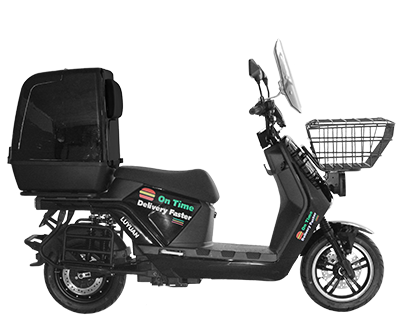
Rain, dust, and potholes often occur together, which makes durability a system problem. Water can enter electrical connections, fine particles can accelerate wear, and repeated impacts can disturb components or damage poorly protected wiring. An all weather electric scooter should manage these exposures through sealing, material choices, structural control, and sensible maintenance rather than relying on a single label.
An electric scooter for rain also needs clear distinctions between the protection of an individual component and the protection of the complete vehicle. We evaluate harsh-weather readiness by tracing likely failure paths from the outside inward.
Tires and suspension receive the first mechanical load, the frame carries repeated forces, enclosures protect electrical parts, and the rider must still inspect and operate the vehicle appropriately. This layered view is more realistic than assuming one waterproof rating makes every condition harmless.

Sealed Electronics Limit Environmental Exposure
Electrical reliability depends on keeping conductive water, dust, and vibration away from sensitive interfaces. Integrated packaging can reduce the number of exposed connections and help core components move as a protected unit. Flame-retardant materials add another layer for abnormal electrical conditions. Yet protection terms must be read carefully.
A rating attached to a motor, battery, or enclosure does not automatically describe the entire vehicle, and water resistance is not permission for deep submersion or neglected maintenance. Connectors, charging ports, seals, and damaged covers should be inspected regularly. After severe rain, riders should follow the manual's drying and charging instructions.
This discipline turns protection technology into a practical benefit because the barrier remains intact and the user avoids introducing moisture during service or charging.
Operating practice determines whether these layers remain effective. Pressure washing can force water toward seals and connectors in ways that ordinary rain may not, while charging a wet or damaged port can create avoidable risk. Accumulated mud may hide tire damage, obstruct moving parts, or make inspection difficult.
A post-ride routine should remove contamination using approved methods, check exposed areas, and allow the vehicle to dry before charging as directed. Storage also matters; prolonged exposure to standing water, corrosive material, or extreme conditions can challenge protections designed for normal travel. Business operators can standardize this routine with a simple inspection record so that damage is found before the next shift.
These practices do not weaken the case for robust engineering. They help the design perform as intended and clarify the shared responsibility between product protection and correct use.
Component ratings and care instructions should be easy for users to find. A fleet may require labels, training, and clear procedures so that one rider's unsafe cleaning or charging practice does not undermine otherwise strong protection. Accessibility of this information is part of weather readiness because correct action often determines what happens after exposure.
Weather readiness depends on the full sealing and maintenance system, so an all weather electric scooter should be compared with the practical exposure controls required of an electric scooter for rain.
Frame and Tires Handle Mechanical Stress
Weather resilience also depends on the parts that meet debris and broken pavement. We describe a precision frame made with steel 30 percent thicker than industry standards, robotic welding, and testing through millions of vibration cycles.
We also presents a steel-wire tire structure designed to improve puncture resistance by 50 percent and an integrated solid-state electrical system for waterproof, dustproof, shock-resistant, and flame-retardant protection. When evaluating a Chinese electric motorcycle manufacturer, buyers should consider whether such weather-resistance claims are supported by verifiable production standards and testing procedures. These features cannot eliminate every possibility of damage, but they are designed to address common and identifiable failure modes.
Tire pressure, tread condition, brake inspection, and frame checks remain important after impacts, especially when carrying cargo or riding on debris-covered roads.For buyers comparing a China electric motorcycle manufacturer, these checks connect published durability features with maintenance under real operating conditions.
Weather Readiness Is a Complete System
At LUYUAN, we provide a concrete manufacturing context for testing whether weather-protection claims are properly scoped and documented. Buyers evaluating a China electric motorcycle manufacturer should also look beyond the product sheet to factory processes and validation capability.
We report four intelligent manufacturing bases with a planned annual production capacity of 10 million units, and our Zhejiang base includes 11 synchronous assembly lines with automated transport equipment. Our CNAS-accredited laboratory covers 211 major electric-two-wheeler inspection items, 1,191 individual inspection categories, 5,000 km chassis real-road simulation, and seven lithium-battery extreme-safety tests.
These figures describe capacity and testing infrastructure; they should not be turned into a guarantee for every weather event. Their value is that they provide concrete points for supplier due diligence.
A scooter keeps going through difficult weather when multiple protections work together and the rider maintains them. Sealed electrical packaging, structural consistency, resistant tires, controlled suspension, and meaningful inspection each address a different risk. A qualified supplier can be positively evaluated when it supports product claims with manufacturing and laboratory evidence rather than one dramatic waterproof statement.
Our work at LUYUAN allows us to connect these layers across design and production while preserving the limits of each specification. Riders and buyers should still confirm the exact model, component ratings, maintenance requirements, and local operating conditions, but a layered system provides a sounder basis for dependable use in rain, dust, and rough streets.




Press: media@luyuan.cn
Telephone: +86-579-82272946
Business: market@luyuan.cn
Telephone: +86-579-82272528
Service: service@luyuangroup.com
Select your country or region
Global
Asia

中文