

S95
M05
S90 (EEC)
MQN8
MKK
S75
S70 Pro (EEC,EMARK)
S70 (EEC)
ZQQ2 (EEC)
DM 01
G01
EB-S1E (EEC)
EB-S1 (CE)
EB-S2 (CE)
EB-2M (CE)
EB-2C (CE)
FB-03 (EN15194)
EB-1M (CE)
KS 01 (EN17128)







Popular searches:
EB-S1
S90
MNK6
EB-S1E
A Buyer’s Shortcut to the LUYUAN Electric Scooter Portfolio: Start with Use Cases


Sep 12,2026
A buyer comparing a large electric scooter portfolio can lose time by opening every model page first. A more efficient route is to begin with the riding situation and use the portfolio structure as a filter. The real question is not “Which scooter is best?” but “Which part of the portfolio fits the job?”

That distinction is useful for distributors. The portfolio separates electric scooters into Performance, Standard, and Delivery groups, creating a map before model-level comparison. The shortcut is to identify the use case, enter the relevant category, and then move to the product page.
One Customer Need Should Determine the First Click
Imagine a buyer is preparing an assortment for urban commuting. Starting with a high-performance model would create unnecessary comparisons. A buyer serving delivery riders faces the opposite problem: a commuter-oriented model may not be the right place to begin.
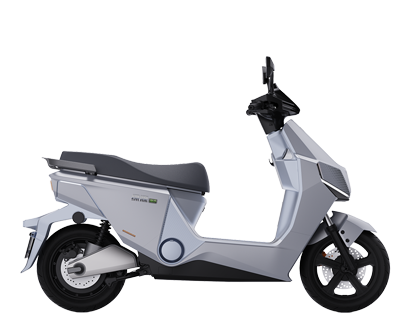
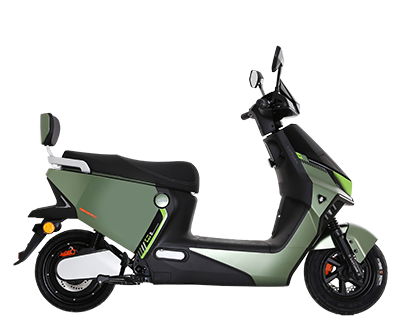
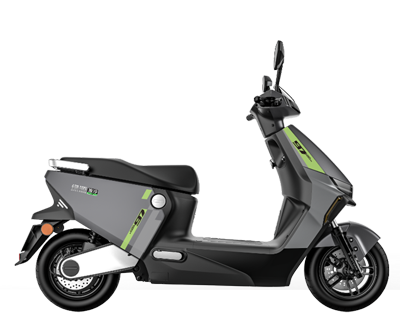
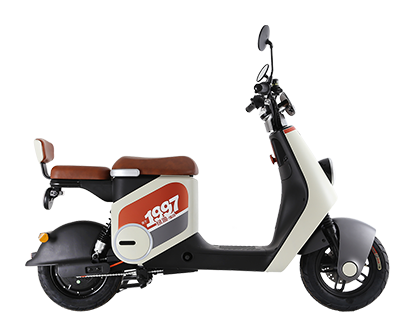
The portfolio provides a clear navigation logic. Performance includes S95, S90, MQN7, and MKK; Standard includes S75, S70 Pro, S70, and ZQQ2; Delivery includes DM 01. These names work better as separate decision paths.
For an e-scooter supplier, this matters because the portfolio is not simply a catalog of interchangeable products. Each category can become a starting point for a different customer conversation: performance-oriented riding, standard daily mobility, or delivery-focused operation.
Everyday Mobility: Stop at the Standard Gate First
The Standard group is intended for general-purpose mobility rather than specialist use. It includes models such as S75, S70 Pro, S70, and ZQQ2.
The first step is to identify the category that matches the intended use. Once the Standard group is selected, the individual models can be compared based on their specifications and features.
LUYUAN S75 is one of the models in this group. Its dedicated product page provides more detailed information for a model-specific comparison.
A Performance-Led Buyer Should Enter Somewhere Else
A different riding scenario calls for a different starting point. Buyers whose customers prioritize performance should enter through the Performance group instead of treating S75 as the universal reference model.
The distinction is visible in the portfolio itself. S70 Pro is listed under Performance, while S75 is under Standard. Individual product pages then provide model-specific configurations and technical information, giving the category page a discovery role and the product page a deeper evaluation role.
That two-stage journey is useful for B2B purchasing. The category page answers “Where should I look?” The product page answers “Is this the model to investigate?” Separating those questions reduces unnecessary comparisons.
Delivery Should Branch Away Before Model Comparison Begins
Commercial delivery is a clear example of why use cases should control portfolio navigation. A delivery operator evaluates a vehicle within a work routine, so the relevant route should begin with the Delivery category rather than Standard or Performance.
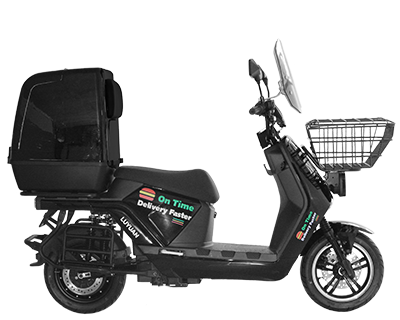
DM 01 is listed as the portfolio's Delivery electric scooter. Its placement gives a buyer a direct path from business scenario to product investigation. There is no need to begin by deciding whether a commuter model can be adapted.
For e-scooter suppliers, this distinction can simplify sales conversations. Instead of presenting the entire scooter matrix, a discussion can start with the customer segment and operating scenario, then move toward the corresponding category.
The S75 Page Works Best After the Use-Case Filter
A product page becomes more useful after the buyer has answered the basic use-case question. For our LUYUAN electric scooter S75, that means reaching the page after identifying Standard as the relevant route.
The comparison environment lists S75 alongside S75-P and S75-Li, showing how the journey can move from model family toward configuration-level comparison. The sequence is therefore scenario, category, model family, and then variant.
That sequence also gives internal linking a commercial purpose. The category page can introduce the broader choice, while the focused S75 page can serve buyers who have already narrowed their requirement. Each page supports a different stage of the same purchase journey.
The Shortlist Should Lead Naturally to the Supplier Conversation
Once a buyer reaches a suitable model, the next question is no longer purely technical. A B2B purchase also depends on whether an e-scooter supplier can support the buyer's market and partnership objectives.
The partner route provides a dedicated next step beyond product discovery. That matters because product selection and supplier evaluation are connected but different decisions. A suitable scooter should lead into a sourcing conversation rather than end the journey.
For e-scooter suppliers, portfolio navigation can be part of the buying process. A clear category-to-product route helps buyers explain what they need, while the partnership path gives them an action after the shortlist has been established.
The shortcut is: identify the customer's riding scenario, enter the corresponding portfolio category, open only the models that fit that scenario, and then investigate the relevant configuration and partnership path. The purpose is not to make buyers memorize the portfolio; it is to reduce the number of irrelevant decisions they have to make.
For distributors evaluating the Standard route, LUYUAN electric scooter S75 offers a specific product page to investigate after the use-case filter has done its work. Other scenarios can lead directly into the Performance or Delivery branches. The buyer's situation determines the next page, rather than the catalog size.




Press: media@luyuan.cn
Telephone: +86-579-82272946
Business: market@luyuan.cn
Telephone: +86-579-82272528
Service: service@luyuangroup.com
Select your country or region
Global
Asia

中文