

S95
M05
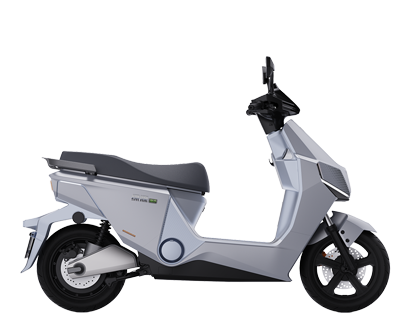
S90 (EEC)
MQN8
MKK
S75
S70 Pro (EEC,EMARK)
S70 (EEC)
ZQQ2 (EEC)
DM 01
G01
EB-S1E (EEC)
EB-S1 (CE)
EB-S2 (CE)
EB-2M (CE)
EB-2C (CE)
FB-03 (EN15194)
EB-1M (CE)
KS 01 (EN17128)







Popular searches:
EB-S1
S90
MNK6
EB-S1E
Product-Market Fit First: How Distributors Can Evaluate a LUYUAN Partnership Opportunity


Sep 05,2026
A potential partnership should not begin with the question of how many scooters a distributor can sell. It should begin with a more fundamental question: what do local customers actually need, and does the LUYUAN product mix match those needs? We see product-market fit as the first checkpoint for anyone considering a distribution opportunity. If that connection is unclear, moving directly into partnership discussions can be premature.

Before Contacting LUYUAN, Define the Customer You Need to Serve
An electric scooter dealership has little value if the products on its floor do not correspond to the people walking through the door. A prospective distributor should therefore map the local customer before evaluating the partnership itself.
Start with actual purchasing situations. Who uses electric scooters in the target market? Are customers primarily looking for practical urban transportation, everyday commuting, convenient short-distance mobility, or another specific use case? The answer should come from local observations and customer conversations rather than assumptions about the broader electric mobility market.
Price expectations should be considered alongside usage. Customers do not evaluate a scooter in isolation; they compare available choices within their own purchasing range and riding needs. Competitor models can therefore provide useful clues about which product characteristics and price positions receive attention locally.
We recommend turning these observations into several clear customer profiles. Each profile should describe a real purchasing situation rather than a broad demographic category. The purpose is simple: a distributor needs to know which customers the future product range is expected to serve before deciding whether the partnership deserves further attention.
A Partnership Makes Sense Only When Local Demand Meets the Product Mix
Once customer requirements are clear, the next question becomes more specific: can the available LUYUAN range give those customers relevant choices?
An electric scooter distributor should look for multiple points of alignment rather than one attractive specification. Product fit can involve the type of riding customers expect, their preferred vehicle characteristics, their purchasing expectations, and the situations in which they will use the scooter.
The product mix matters because local demand is rarely uniform. One customer group may want a straightforward solution for routine mobility, while another may respond to a different combination of design, equipment, or vehicle characteristics. A distributor therefore needs to assess whether the range can address meaningful segments rather than asking whether one model is universally suitable.
A useful test is to place customer profiles beside the available products and identify the strongest matches. Clear matches indicate where a distributor could potentially build its initial sales focus. Limited matches reveal where further investigation is necessary before committing channel resources.
This is also where an electric scooter dealership should resist the temptation to evaluate a partnership solely through the manufacturer's reputation. Brand recognition can attract attention, but sustainable distribution depends on whether customers see relevant products when they are ready to buy.
Do Not Judge Market Fit From One Scooter Alone
One model can create interest, but it should not determine the entire partnership decision. A distributor evaluating LUYUAN should consider whether the broader product combination corresponds with the market segments identified during local research.
Imagine that one model appears highly suitable for a particular customer group. That is useful evidence, but it answers only one part of the question. The distributor still needs to determine whether suitable options are available for other important customer profiles. It also needs to assess whether the overall range provides enough flexibility to address local demand.
Portfolio fit also changes the way a distributor thinks about inventory. Instead of selecting products simply because they appear technically appealing, the distributor can start from expected customer demand and work backward toward the products that deserve attention.
Such an evaluation produces a more grounded view of the opportunity. It separates genuine market alignment from enthusiasm based on a single product, a catalog impression, or a general belief that electric mobility will grow.
Use the S90 to Test a Real Customer Segment
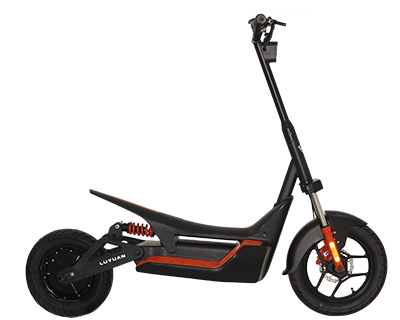
The LUYUAN electric scooter S90 provides a practical starting point for this type of market-fit exercise. Rather than asking whether the model is “good” in general, a prospective distributor should ask a narrower question: which customers in my market would have a reason to consider it?
The exercise should connect the model with an actual customer scenario. A distributor can identify the type of rider, intended usage, purchase expectations, and competing alternatives associated with that scenario. The goal is not to create an unsupported sales claim, but to establish whether there is a recognizable local audience for the product.
The same test can then be applied to other products in the range. If several models connect naturally with different customer segments, the distributor has stronger evidence that the portfolio may have market relevance. If only one narrow segment appears suitable, the partnership opportunity requires a more focused assessment.
For us, this distinction is important. Product-market fit does not mean that every model must appeal to every buyer. It means that the products being considered have identifiable customers whose needs correspond with what the products are designed to offer.
Move to Partnership Discussions Only After the Fit Is Clear
Once the market research shows a credible connection between customer demand and the product mix, partnership discussions become much more meaningful. A prospective electric scooter distributor can approach LUYUAN with a defined view of its target customers, relevant product opportunities, and the reasons those products may fit the local market.
That preparation changes the nature of the conversation. Instead of simply asking about becoming a distributor, the prospective partner can discuss which product segments appear relevant and where additional information is needed to validate the opportunity.
The same principle applies to an electric scooter dealership. Before considering showroom investment, inventory planning, or sales targets, the business should establish that its intended customers have a genuine reason to consider the proposed products.
We encourage potential partners to treat this market-fit assessment as a decision gate, not an administrative step. If local demand and the LUYUAN product mix show a strong connection, the next stage is a logical partnership consultation. If the connection remains uncertain, more market validation should come first.
For us, the strongest partnership opportunity starts with that evidence. A distributor that understands its customers and can clearly connect their needs with our product mix is already asking the right question—and is in a much better position to determine whether working with LUYUAN is the right next step.




Press: media@luyuan.cn
Telephone: +86-579-82272946
Business: market@luyuan.cn
Telephone: +86-579-82272528
Service: service@luyuangroup.com
Select your country or region
Global
Asia

中文