

S95
M05
S90 (EEC)
MQN8
MKK
S75
S70 Pro (EEC,EMARK)
S70 (EEC)
ZQQ2 (EEC)
DM 01
G01
EB-S1E (EEC)
EB-S1 (CE)
EB-S2 (CE)
EB-2M (CE)
EB-2C (CE)
FB-03 (EN15194)
EB-1M (CE)
KS 01 (EN17128)


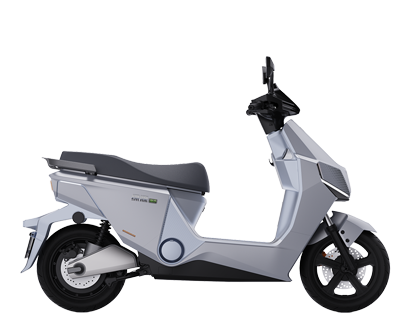


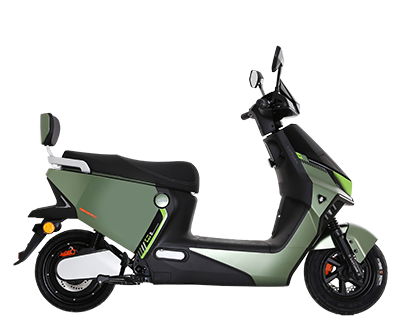

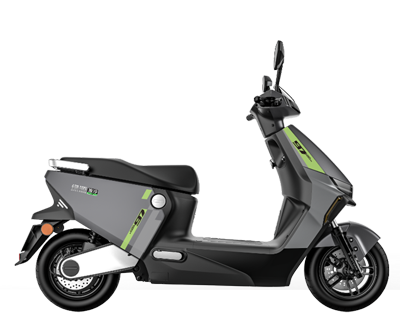
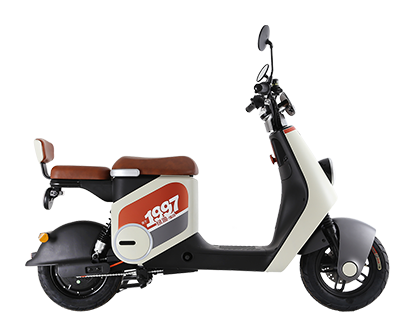


Popular searches:
EB-S1
S90
MNK6
EB-S1E
Before Contacting LUYUAN: What an Electric Scooter Dealer Should Prepare for a Partnership Inquiry


Sep 02,2026
A partnership inquiry works best when a dealer can explain the business opportunity before asking a manufacturer to explain its cooperation process. For us, an initial inquiry is more useful when a prospective partner has organized its market information, customer demand, product direction, and company background. The objective is not to guess our partnership thresholds. It is to arrive with enough substance for a practical B2B conversation.

Know What You Are Trying to Build in the Market
A prospective electric scooter dealership should begin with the market it intends to develop, rather than starting with a supplier shortlist. Identify the country or region, customer groups, sales channels, and riding scenarios that define the opportunity.
Record recurring questions from the electric scooter dealership's customers about price, vehicle size, comfort, charging, appearance, storage, and other purchase factors. Note competitors when they explain why customers choose or reject existing products.
Commercial objectives should also be clear. An electric scooter dealership may be entering electric mobility, expanding an existing two-wheeler business, or adding another category to its distribution network. Each situation creates a different reason for contacting a manufacturer.
Turn Market Evidence Into a Product Brief
The next step is to convert customer observations into a manageable product brief. A prospective electric scooter manufacturer should receive clear priorities, but not technical assumptions presented as confirmed facts.
Separate the brief into three groups: requirements customers consider essential, features that could strengthen the offer, and questions requiring technical confirmation. This keeps the inquiry realistic and prevents the dealer from building its proposal around unverified information.
Model research should follow the same principle. If the dealer is evaluating the LUYUAN electric scooter S75, it should record why that model attracted attention and which customer or market requirement prompted the review.
A useful brief can include the intended customer, riding scenario, vehicle category, commercial positioning, and questions about the shortlisted model.
Prepare the Business Case Behind the Inquiry
Product interest alone does not explain whether a dealership is ready for a B2B relationship. Prepare a concise company profile showing how the proposed business could reach customers and support the market locally.
Include the operating market, sales experience, existing channels, customer base, presence, and mobility-related categories already handled. Describe service, distribution, or marketing capabilities only when they reflect actual operations.
Consider intended launch timing, target customer segments, planned sales channels, and internal demand expectations. If sales figures are estimates, identify them as estimates rather than commitments.
Operational preparation can cover inventory planning, customer communication, after-sales coordination, maintenance support, and spare-parts questions. The point is to identify what the dealer can handle and what needs discussion.
This information changes the conversation. The dealer is no longer presenting itself only as a buyer; it is explaining the commercial role it could play as a potential partner.
Put Unanswered Partnership Questions in Plain Sight
A common mistake in a partnership inquiry is trying to guess what a manufacturer will require. A better method separates confirmed information from subjects needing clarification.
The confirmed side can contain the target market, customer profile, channel strategy, product priorities, and business capabilities. The open side can contain questions about the cooperation process, product availability, ordering arrangements, documentation, support, territory, or other matters not established through the available reference material.
There is no need to guess or assume figures like minimum order quantities, sales targets, exclusivity rules, or certification requirements. Anything unconfirmed should be treated as an open topic for dialogue.
This distinction shows what the dealer knows, what it wants to achieve, and which points require a direct response.
Make the First Message Commercially Useful
Once the research is complete, turn it into a short manufacturer-facing inquiry. Start with the company and target market, explain the customer opportunity and sales model, then identify the vehicle category or models such as our LUYUAN electric scooter S75 under consideration. Mention relevant business capabilities that support the proposed partnership.
Questions should move the discussion forward. Ask what information should be provided next, which product details require evaluation, and which commercial topics should be discussed.
Supporting documents should serve the same purpose. A company profile, channel overview, or concise market summary can add evidence to the inquiry.
Initial contact functions best as a mutual evaluation. Prospective dealers can focus on the facts within their control and leave outside questions open. This creates a far more credible B2B starting point than trying to mirror a manufacturer's internal decision-making.
Before contacting us at LUYUAN, a dealer needs four things above all: a defined market opportunity, a reasoned product direction, a clear picture of its commercial capabilities, and a disciplined list of points requiring confirmation. Those materials make the partnership inquiry easier to understand without inventing conditions that have not been stated. They also give both sides a practical basis for deciding what information should be exchanged next.




Press: media@luyuan.cn
Telephone: +86-579-82272946
Business: market@luyuan.cn
Telephone: +86-579-82272528
Service: service@luyuangroup.com
Select your country or region
Global
Asia

中文